


This website uses cookies so that we can provide you with the best user experience possible. Cookie information is stored in your browser and performs functions such as recognising you when you return to our website and helping our team to understand which sections of the website you find most interesting and useful.
News Category: General
Carbon credits are a valuable tool for plugging orphaned wells in the U.S.
Share


Read the whole op-ed in The Oklahoman.
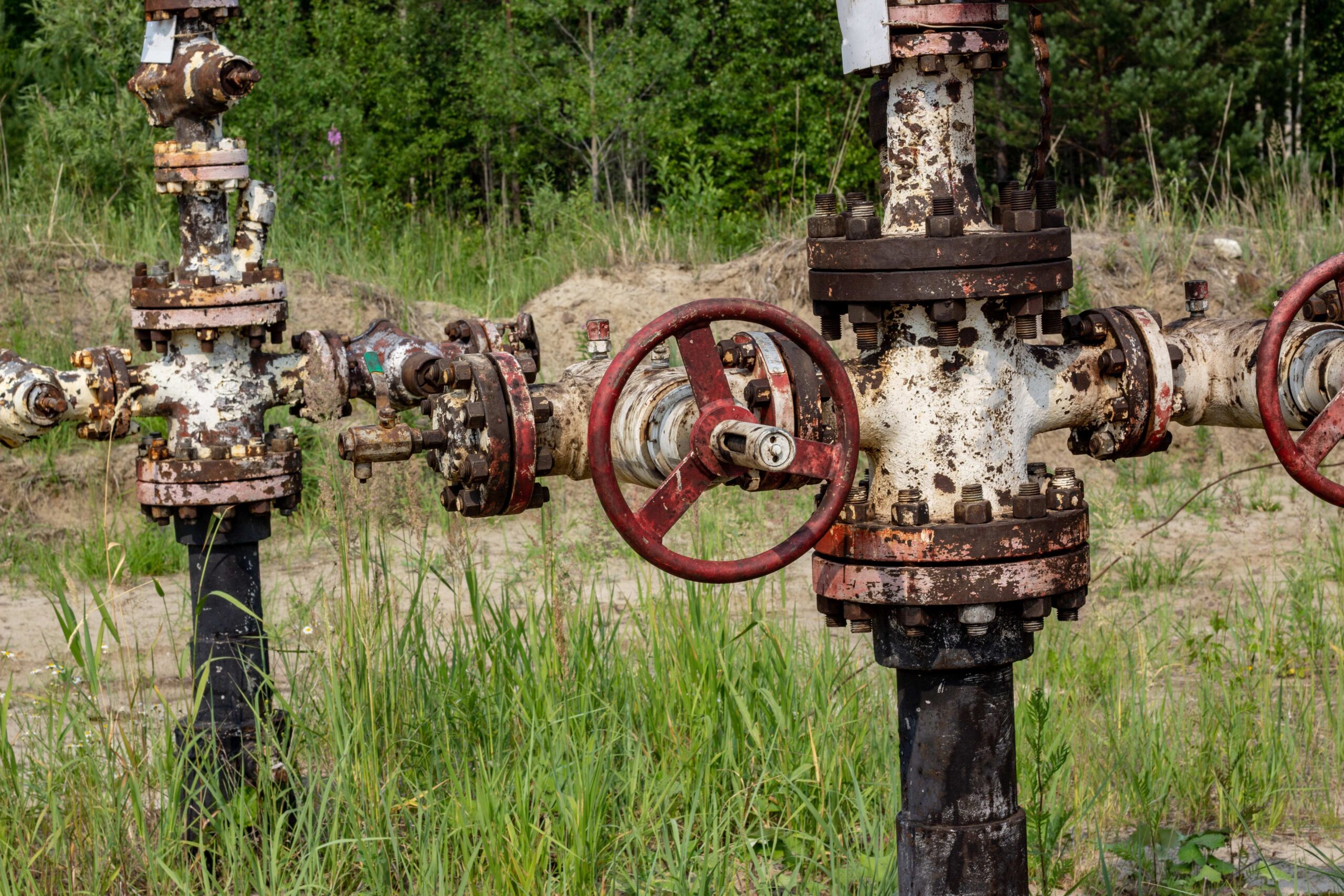
Earlier this year, a company in Oklahoma was issued the world’s first carbon credits for plugging orphaned oil and gas wells. This marked an important milestone for the Sooner State, where more than 17,000 of these wells can be found in farm fields, woodlands, and near where people work and play.
Oil and gas wells become orphaned when the company that operates them goes bankrupt or ceases to exist. When this occurs, governments you and me as taxpayers) are burdened with plugging them and addressing local environmental impacts. In Oklahoma, this responsibility falls to the state. Over the past decade, the Oklahoma State Funds Plugging Program has plugged an average of a few hundred orphaned wells per year, which has not kept pace with the number of wells that are orphaned, resulting in an enormous backlog of known wells that require plugging. In addition to documented orphaned wells, there are many unknown orphaned wells across the United States that are unmapped and unaccounted for in official records. The EPA estimates that the U.S. may have more than 3.2 million wells that will require plugging.
ACR Earns Program-Level Core Carbon Principle (CCP) Approval from the Integrity Council for the Voluntary Carbon Market (ICVCM)

Share
ACR is pleased to announce that the Governing Board of the Integrity Council for the Voluntary Carbon Market (ICVCM) has approved ACR at the program level as “Core Carbon Principles (CCP) Eligible.”
This announcement represents the first step in the ICVCM process. It means that ACR will be able to label CCP-Approved carbon credits from CCP-Approved Categories of carbon credits as those approvals are earned in the next step of assessment.
“We appreciate this recognition of the rigor of our program and will continue to engage constructively with ICVCM to defend best practices in a world that is demanding not only carbon market integrity, but also inclusivity and urgency,” said Mary Grady, ACR’s Executive Director. “ACR’s mission is to create confidence in the integrity of carbon markets; to that end, ICVCM offers a pathway to harmonize standards around a global benchmark of quality. ACR will continue to bring our expertise and experience to the table by participating on the governing board and expert working groups.”
Since its founding in 1996 as the world’s first private greenhouse gas registry, ACR has innovated and operationalized key elements of carbon credit quality assurance, including scientific peer-reviewed accounting methodologies and well-accepted approaches to address additionality, leakage, and reversal risk mitigation; oversight of independent third-party verification; and operation of a transparent registry for the issuance and tracking of serialized credits.
ACR’s approach to program quality has earned approval to issue credits for use in regulated carbon markets, including the State of California’s Cap-and-Trade Program, the International Civil Aviation Organization’s (ICAO) Carbon Offsetting and Reduction Scheme for International Aviation (CORSIA), the State of Washington’s Cap-and-Invest Program, and towards compliance with Singapore’s Carbon Pricing Act.
To become approved as meeting CCP requirements, ACR submitted an extensive application to ICVCM for assessment. We provided evidence of being a CORSIA Eligible Emissions Unit Program, in addition to meeting the CCP’s additional criteria around effective governance, credit tracking, transparency, and robust, independent third-party validation and verification.
While ACR views this as an important step forward, we remain focused on earning CCP-Approved labels for our portfolio of carbon credits, which includes emission reductions and removals from industrial and nature-based solutions. In addition, ACR’s sister organization – the Architecture for REDD+ Transactions (ART) – looks forward to earning program-level and category-level approval from ICVCM. Ultimately, ACR expects that other leading carbon crediting programs will earn ICVCM approval, to provide confidence to buyers in credit quality and allow finance to flow to impactful climate solutions to support the goals of the Paris Agreement. The urgency of climate change demands nothing less.
###
Special Presidential Envoy for Climate John Kerry Wins 2024 ACR Climate Leadership Award
Share
Government of Guyana, Climate Impact Partners, and Green Assets also recognized for enduring commitment to climate action
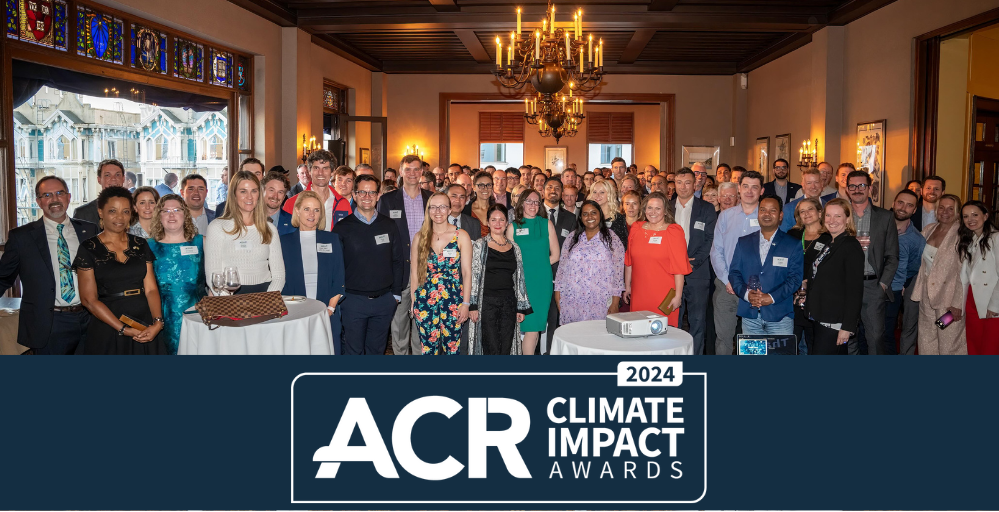
Special Presidential Envoy for Climate John Kerry received the 2024 ACR Climate Leadership Award at ACR’s Climate Impact Awards event held last night. Other winners were the Government of Guyana, Climate Impact Partners, and Green Assets. ACR, an internationally recognized carbon crediting program that operates in global compliance and voluntary carbon markets, convenes the annual event to recognize enduring and demonstrated commitment to ambitious climate action.
“With the urgency of climate change undeniable, the 2024 award winners are shining examples of what’s possible when vision, determination and pragmatism join together,” said Mary Grady, Executive Director of ACR. “The winners demonstrate how high integrity carbon markets are delivering meaningful climate action to achieve Paris Agreement goals.”
Special Presidential Envoy for Climate John Kerry received the 2024 Climate Leadership Award for his relentless dedication to motivate urgent, practical, and transformational climate action by governments, businesses, and civil society. Kerry served on the U.S. delegation to the 1992 Rio Earth Summit, where the U.N. climate framework was created, and co-authored climate change legislation as a U.S. Senator. More recently, he has played a critical role in the “decisive decade” for climate. As Secretary of State, he helped to broker the landmark Paris Agreement, which he signed on behalf of the U.S. As Special Presidential Envoy for Climate, he re-established the United States’ credibility on the world stage. In particular, his vision to create the Energy Transition Accelerator will catalyze private capital through carbon markets to support an ambitious and just energy transition around the world.
“No U.S. based organization has done more than ACR to realize the promise of high-integrity carbon markets. From establishing the world’s first private greenhouse gas registry to pioneering the next generation of carbon crediting, ACR has been at the forefront every step of the way,” stated Kerry in a video statement for the event. “And that’s why we turned to you for high-integrity standards to underpin two of our most critical carbon market initiatives: the LEAF coalition, which is helping to reduce tropical deforestation, and the new Energy Transition Accelerator, which will help developing countries speed their transition to clean power. Getting initiatives like these off the ground requires thought leadership, technical acumen, diplomacy, and an enduring commitment to environmental quality, all of which ACR delivers. I’d like to thank you for honoring me with your Climate Leadership Award.” See his statement below.
The Government of Guyana received the 2024 Commitment to Quality Award for serving as a powerful model of high-integrity climate leadership for other countries to follow. From the creation of its broadly consulted Low Carbon Development Strategy in 2009 to the more recent certification and issuance by the Architecture for REDD+ Transactions of the world’s first Paris Agreement-aligned jurisdictional forest carbon credits, Guyana has consistently demonstrated excellence in achieving climate impact, as well as in delivering tangible benefits to communities across the country. As a “High Forest Low Deforestation” country, Guyana is proving to the world that forests can be more valuable when they are left standing.
“In Guyana, we have long believed that progress comes through hard work, partnership and an ambitious vision. We are grateful for this award, which recognizes the work and commitment of thousands of people in communities across Guyana, as well as our professionals, and our national and international partners. Together, we have pursued opportunities to advance the common good of sustainably managing our natural resources. As a result, 99% of Guyana’s forests remain standing, and we maintain one of the lowest deforestation rates in the world. Over 800 projects are advancing across the country financed by our Forest Carbon Credits programme to create better lives and livelihoods. We welcome and look forward to continued inspiration, support and partnerships for the good of all,” said Pradeepa Bholanath, Ministry of Natural Resources of Guyana.
Climate Impact Partners received the 2024 Corporate Excellence Award for its work to deliver climate solutions at a scale necessary to restore a thriving planet. By helping companies achieve their net zero goals through rigorous approaches that include the purchase and retirement of high-quality carbon credits, Climate Impact Partners is a model of excellence. Climate Impact Partners’ work to navigate a complex landscape is helping companies embrace comprehensive and transformational climate action.
“We are delighted to have been recognized for our laser focus on quality in everything we do, which enables us to deliver reliable outcomes. That is how we build trusted partnerships with our clients and our project partners, ensuring they achieve ambitious climate goals and deliver real impact on emission reductions, biodiversity, and community health and livelihoods, right now. Time is of the essence, and we are privileged to work with climate-leading clients all over the world who see the business value in going beyond their internal emission reductions to support the global low carbon transformation,” said Sheri Hickok, CEO of Climate Impact Partners.
Green Assets received the 2024 ACR Innovation Award for the co-development of ACR’s groundbreaking methodology for Active Conservation and Sustainable Management on U.S. Forestlands. Forests capture and store significant amounts of carbon while supporting a stable climate and providing habitat and ecosystem services benefits. Nonetheless, three million acres of U.S. forestland is converted to other land uses each year. Green Assets is demonstrating that carbon markets can be a powerful financial incentive to sustainably manage at-risk forests by executing their unique and trusted approach of “landowners working with landowners.”
“Green Assets is proud to accept ACR’s 2024 Innovation Award for our contribution to the development of the Active Conservation methodology. This methodology enables landowners, businesses, governments, and institutional organizations to make informed decisions and take proactive measures in combating climate change through a robust and effective nature-based mechanism. We are excited to partner with ACR to promote conservation and sustainable forest management throughout the United States,” said Bailey Evans, CEO of Green Assets.
Issued annually, previous winners of the ACR Climate Leadership Award include Christiana Figueres (Executive Secretary of the U.N. Framework Convention on Climate Change at the time); Mary Nichols (Chair of the California Air Resources Board at the time); Tom Vilsack (former and current U.S. Secretary of Agriculture); Todd Stern (U.S. Special Envoy for Climate Change at the time); Paul Hawken (author and founder of Project Drawdown); Jonathan Pershing (Environment Program Director at the William and Flora Hewlett Foundation) and Frances Seymour (then Senior Scientist at the World Resources Institute and one of the world’s foremost authorities on the relationships between tropical forests and climate change).
ACR is an internationally recognized carbon crediting program that operates in global compliance and voluntary carbon markets. A nonprofit enterprise of Winrock International, ACR was founded in 1996 as the first private greenhouse gas (GHG) registry in the world with the mission of harnessing the power of markets to improve the environment. Learn more at ACRclimate.org.
###
Entering 2024 with Wind in our Sails

Share
I have become a firm believer in the power of carbon markets to drive increased climate ambition and action, and the voluntary carbon market is a vital tool to keep 1.5C in reach. Let’s not waste any more time or let the perfect be the enemy of the good.
U.S. Special Presidential Envoy for Climate, John Kerry at COP28
ACR enters 2024 with strong momentum.
Yes, markets moved through rough waters last year, notably due to one-sided media stories. Yet, carbon markets ended 2023 on a strong note and the year ahead offers significant potential for growth and impact. In 2023, ACR issued more than 37 million carbon credits – representing 30% growth over 2022 issuances – and reported record credit retirements up 75% from 2022 volume.
ACR’s positive impact depends on the good work of our partners: project developers and proponents, carbon market exchanges and trading platforms, validation and verification bodies, regulatory bodies, and credit buyers, in particular. We are all stronger and make more progress when we work together. Because it is so important to work as a community, I want to outline ACR’s three priorities for the year ahead.
1. Invest in excellence. Our team of technical and policy experts is the core of ACR’s ability to deliver innovative and impactful climate solutions, while also offering excellent customer service to our partners. From expanded registry functionality and linkages with market platforms, to rock-solid methodologies, to acquiring, developing, and retaining carbon market leaders on our team, ACR’s first priority is to invest in our people and systems to maintain and enhance the quality and integrity of our offerings.
2. Demonstrate and scale best practices. When ACR was founded in 1996, we were the first private greenhouse gas registry in the world. In our nearly 30 years of operation, we have shown what integrity means in practice. From scientific peer-reviewed methodologies to oversight of independent third-party verification and well-accepted approaches for additionality, leakage and reversal risk mitigation, ACR has helped to shape market expectations. With new important market entrants at the table – notably the Integrity Council for the Voluntary Carbon Market – ACR will continue to show what best practices look like in a world that is demanding urgency and integrity. And we will engage with stakeholders across the globe to harmonize innovations that can be implemented with rigor at scale today to help achieve the goals of the Paris Agreement.
3. Catalyze a community. We believe in the power of carbon markets to make meaningful progress on climate action now. And we know many others do too. ACR is ramping up our investments in strategic outreach and communications to marshal the collective strength and influence of our community. To meet the goals of the Paris Agreement, we need to dramatically increase market scale. This means we need to work together, aligned around a common set of objectives. Communications is a force multiplier to make the whole greater than the sum of its parts.
While COP28 failed to deliver a new agreement on implementation of Article 6, there is enough detail to move forward with implementation of Article 6.2, and participants in a wide array of announcements reinforced the critical role that markets have in meeting the Paris Agreement goals. Although many people expected credit retirements to decline in 2023, in fact they set a new record in December 2023 in a strong finish to the year. All of this sets up carbon markets for a strong 2024. At ACR we are incredibly excited about the year ahead and look forward to collaborating with all of you to help solve the one of the most consequential global challenges of our lifetimes.
Sincerely,
Mary Grady Executive Director, ACR
Momentum for VCM at COP28
Share
While much of the focus was on the historic agreement calling for “transitioning away from fossil fuels in energy systems, in a just, orderly and equitable manner,” the climate summit also witnessed many important commitments related to carbon markets generally, and voluntary carbon markets in particular.
No new agreement on Article 6
First, the elephant in the room: There was no agreement on Article 6 implementation at COP28, as administrative procedures for Article 6.2 transfers and expert recommendations for Article 6.4 operationalization fell victim to political theater disguised as concerns about integrity. Nonetheless, as IETA notes, “countries can and should implement international carbon markets under Article 6.2,” since the guidance to operationalize it was agreed upon by Parties to COP26. In fact, Article 6.2 cooperation agreements that have been announced to date are moving forward.
As for Article 6.4, which is the new centralized crediting mechanism administered by the UNFCCC, the lack of agreement delays implementation by at least a year and only serves to further heighten the importance of work happening in global carbon markets. With 2030 deadlines approaching and no 6.4 mechanism in place, the importance of the role of internationally recognized independent crediting programs, like ACR, to support countries’ NDC achievement further increases. Independent crediting programs can serve as a foundation for domestic carbon markets, Paris Agreement cooperation and to support voluntary corporate climate action. As Amy Merrill, COO of ICVCM, said, “we must collectively push on with our work to ensure that there are clear signals and consistent international rules that enable carbon markets to play their role in helping to keep 1.5 alive, in delivering finance to where it is needed most.”
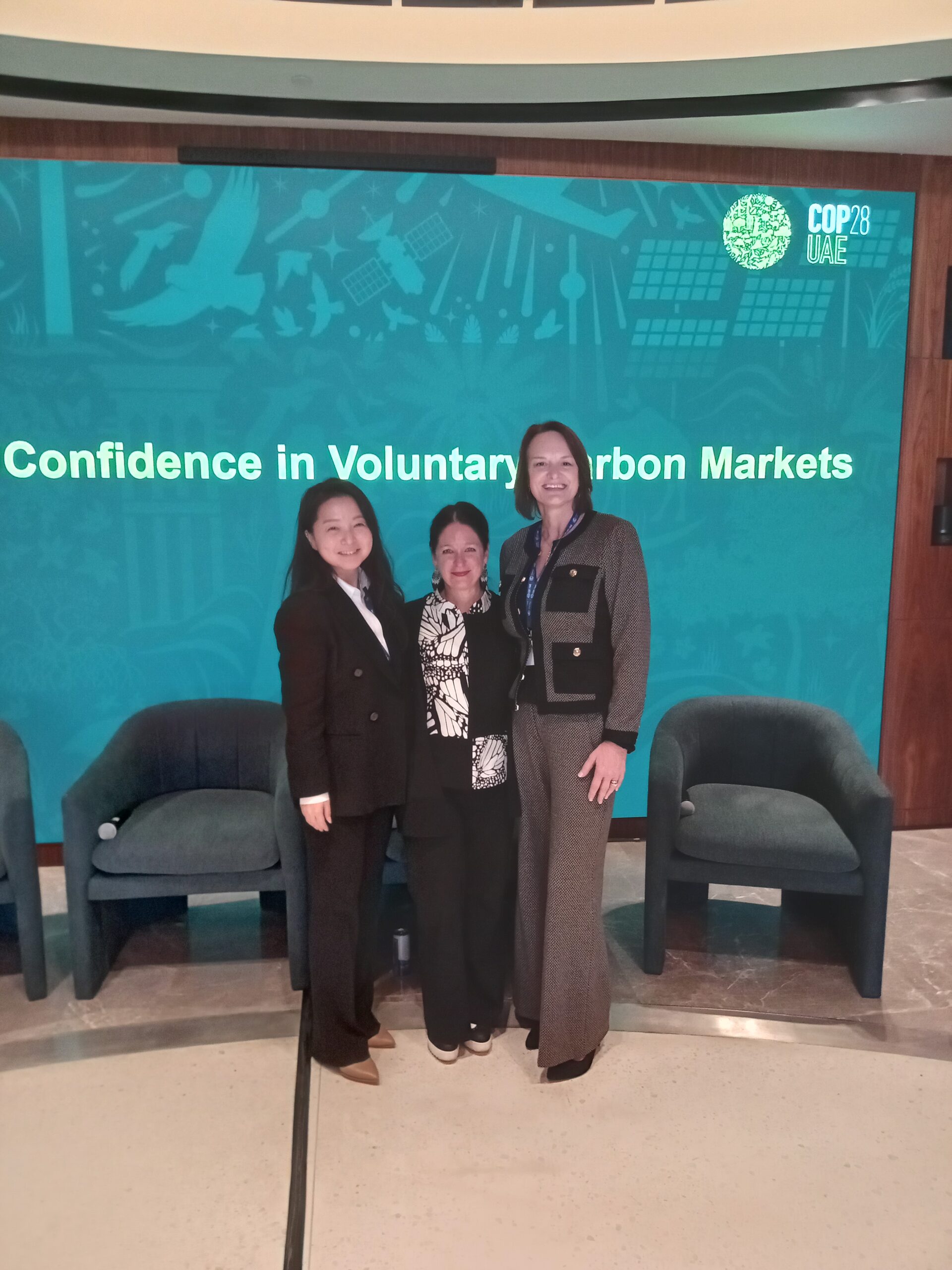
During COP28, Mary Grady participated in a panel on “Carbon Markets 2.0 – What Does the Future Hold?” on the Singapore Pavilion with Anshari Rahman of GenZero, Olga Gassan-zade, co-chair of the Article 6.4 Supervisory Body, Duncan van Bergen of Calyx Global, and Robin Rix of Verra. In particular, the discussion highlighted the need for multiple high-quality crediting standards, even once Article 6.4 is operational. Watch the panel discussion here.
ACR joins with crediting programs to promote scale and integrity
ACR, with the Architecture for REDD+ Transactions (ART), Climate Action Reserve, Global Carbon Council, Gold Standard, and Verra “joined forces to amplify the impact of carbon markets in mitigating climate change,” which was announced at COP28. Notable as the first time the organizations joined together to explicitly endorse a common direction, the statement set a tone of collaboration and momentum for the VCM.
Strong Signals of Support for Carbon Markets as an Essential Climate Solution
Despite the lack of Article 6 progress in the formal negotiations, the tone of collaboration and momentum was echoed elsewhere at COP28 by increasingly united voices that highlighted the critical role high-integrity carbon markets can and must play in delivering urgent action, mobilizing much-needed climate finance and supporting efforts to protect and restore nature. During a roundtable organized by the COP Presidency, World Bank President Ajay Banga, US Special Climate Envoy John Kerry, and UN Climate Change Executive Secretary Simon Stiell all spoke in support of the market.
Many voices from the Global South were also raised in support of carbon markets as an important mechanism for mobilizing finance, including the 15 governments that united in launching a roadmap to scale investment in forest carbon results and credits. As Samuel A. Jinapor, Ghana’s minister for lands and natural resources, Vickram Bharrat, Guyana’s minister of natural resources wrote, and Graham Stuart, the United Kingdom’s minister for energy and net zero wrote, “A properly functioning forest carbon market could help unlock billions in urgently needed funds to protect and restore forests and enable the communities that look after them to follow sustainable pathways to development.”
Supportive statements were also issued by some of the leading philanthropies, NGOs and regulators. Taken together, following a year filled with discord, these voices struck a fresh sense of harmony for the year ahead.
Energy Transition Accelerator rolls out
The U.S. Department of State, Bezos Earth Fund, and The Rockefeller Foundation presented the core framework for the Energy Transition Accelerator, an innovative carbon finance platform to catalyze private capital and support an ambitious just energy transition in developing and emerging economies. In parallel, the team at Environmental Resources Trust (ERT) released key elements of the independent sectoral-scale carbon crediting standard for use by ETA. ERT, the wholly owned nonprofit subsidiary of Winrock International that also operates ACR and the Architecture for REDD+ Transactions (ART), was represented by Mary Grady at the launch event.
Renewed Focus on the Role of Forests and REDD+
COP28 also saw new focus on the role of forests and REDD+ as climate solutions. Former UK Prime Minister Tony Blair and President Irfaan Ali of Guyana spoke in support of selling carbon credits from conserving Guyana’s forests, two new jurisdictions – Burkina Faso and Mato Grosso, Brazil – published TREES concepts on the ART registry (which now has 20 jurisdictions in progress) and the LEAF coalition signed Emissions Reductions Purchase Agreements (ERPAs) with Ghana and Costa Rica, in a sign of demand from companies and governments.
Additional COP28 resources
Alexia Kelly, Managing Director, Carbon Policy and Markets Initiative at the High Tide Foundation, has an excellent summary of announcements from the first week of COP28. As she noted, “capital markets are waking up, and there seems to be broad consensus that delivery of the Paris Agreement Goals will be harder and more expensive without access to high integrity emissions trading markets.”
In addition, IETA has a COP28 Hub full of announcements and daily summaries of the event. For in-depth analysis of Article 6 debates and other COP28 news, check it out.
World’s First Carbon Credits Issued for Plugging Orphaned Oil and Gas Wells
Share
Rebellion Energy Solutions uses ACR methodology to finance climate action and restore tallgrass prairie in Oklahoma
LITTLE LITTLE ROCK, Ark. – ACR, an enterprise of Winrock International, announced today the first issuance of carbon credits from plugging orphaned oil and gas wells. Women-led Rebellion Energy Solutions generated the credits by plugging six orphaned wells in its Oklahoma Heartland Methane Abatement & Land Restoration Project. In 2023, ACR published the world’s first methodology to leverage carbon markets to finance the plugging of orphaned oil and gas wells in the United States and Canada. This is the first project to be issued credits under the methodology.
While oil and gas operators are required to plug wells at the end of their productive lives, more than 160 years of oil and gas operations has left a legacy of a huge number of orphaned wells in the United States and Canada, for which no operator exists.
Although the exact number of orphaned and abandoned oil and gas wells in the United States is unknown, the U.S. Environmental Protection Agency (EPA) estimates there may be 3.7 million across the country. Many of these wells are leaking methane, a potent greenhouse gas accounting for 12% of all U.S. emissions and approximately one-third of global warming to date. Orphaned wells can also negatively impact water quality and soil health, among other problems. Responsibility for plugging orphaned wells falls to states, federal agencies and Native American tribes, which lack the funding needed to address the problem in a meaningful way.
$4.7 billion in funding was made available through the REGROW Act (part of the 2021 Infrastructure Investment and Jobs Act). Yet, a Columbia University report estimates that the cost of plugging 500,000 wells – approximately 15% of the EPA estimate of orphaned and abandoned wells in the U.S. alone – could be as high as $24 billion. Carbon markets can provide financial incentives that complement other private, philanthropic, state and government-led initiatives, reducing greenhouse gas emissions more quickly.
“This first-of-its-kind issuance is a powerful example of the positive impacts of carbon markets to reduce potent, fast-acting, short-lived climate pollutants such as methane,” said Maris Densmore, Director of the Industrial Program at ACR. “The Heartland project also demonstrates the added environmental co-benefits of addressing water and soil pollution and removing safety hazards that prevent land from being used for recreation and other productive purposes for communities living nearby.”
ACR requires project developers to report contributions to the United Nations Sustainable Development Goals. In the case of the Heartland Project, benefits include improvements to rangeland production, health improvements for people living nearby, reductions to water pollution, and increased land resilience, in addition to the avoided methane emissions.
The decades-old, orphaned wells, located on cattle-grazing, bluestem prairie-grass ranches in Oklahoma, have no operator. Prior to being plugged, the wells leaked not only methane, but also oil into adjacent ponds and posed health risks to the families and livestock living nearby. In addition to plugging the wells, Rebellion Energy has also reclaimed the land, including native plants to help restore the prairie ecosystem.
“Rebellion’s Heartland Project was ideally positioned to become the first methane-abatement project to issue credits based on ACR’s new methodology,” said Staci Taruscio, Chief Executive Officer of Rebellion Energy Solutions. “By employing the economic incentive of carbon markets and our oil-and-gas expertise, we have a sustainable platform for environmental benefit, investment, and job creation.”
While the EPA issued new rules recently for oil and gas operations to reduce methane emissions, and the U.S. Government committed to the Global Methane Pledge at the COP28 Climate Summit, the funding gap continues.
The Heartland Project generated 80,782 carbon credits based on independently verified measurements of the methane leaking into the atmosphere from the six wells before they were plugged.
Washington State Department of Ecology Issued First Carbon Credits for State Cap-and-Invest Program
Share
ACR Oversaw Listing, Verification and Issuance of Credits to A-Gas and Tradewater
LITTLE ROCK, AR—Yesterday, the Washington State Department of Ecology – the regulatory agency responsible for the state’s compliance carbon market – issued the first Ecology Offset Credits to two carbon projects. ACR was the Offset Project Registry for the two projects, issuing the serialized Registry Offset Credits that were converted to Ecology Offset Credits.
Both projects were verified for conformance with the California Air Resources Board Compliance Offset Protocol for Ozone Depleting Substance Projects, which was adopted by the Washington State Department of Ecology to generate the Registry Offset Credits. These credits can be used by covered entities towards meeting their emission reductions obligations in Washington’s program.
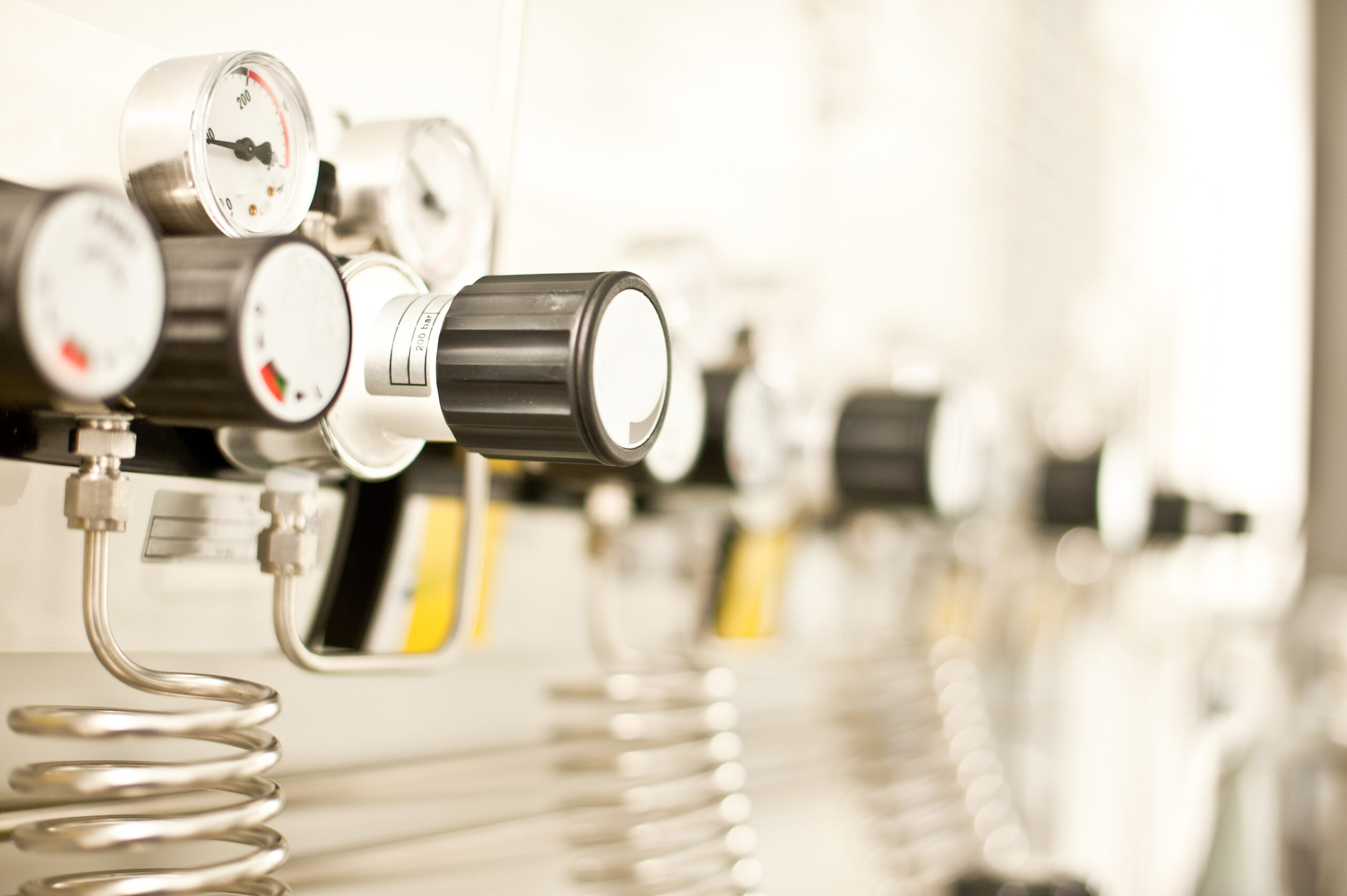
A-Gas (A-Gas 2-2023; Project ID: ACR902) and Tradewater (Tradewater ODS51; Project ID: ACR892) are the two carbon project developers who generated the Ecology Offset Credits. Each collected and destroyed refrigerants to permanently prevent the gases from contributing to climate change. Refrigerants and other ozone depleting substances are potent greenhouse gases that can warm the atmosphere 1,000 to 14,000 times more than CO2, which is why Project Drawdown ranked refrigerant management first in its 2017 list of climate solutions.
The Department of Ecology issued 109,180 Ecology Offset Credits to A-Gas and 139,956 Ecology Offset Credits to Tradewater after their project activities were independently verified by an accredited third-party verification & validation body, as overseen by ACR and Ecology.
“ACR is proud to be the first Offset Project Registry to issue carbon credits in support of the State of Washington’s commitment to climate action,” said Mary Grady, Executive Director of ACR. “Carbon markets offer the least-cost pathway to reduce greenhouse gas emissions while also supporting other priorities, such as clean air and healthy communities.”
In 2021, the Washington State Legislature passed the Climate Commitment Act, which created a market-based program (“Cap-and-Invest”) to cap and reduce greenhouse gas emissions from the state’s largest sources of pollution, such as oil refineries. Funds from the program support new investments in climate-resiliency programs, clean transportation, and addressing health disparities across the state.
In addition to the State of Washington, ACR has operated as the leading Offset Project Registry for the California Cap-and-Trade program since 2012, issuing over two-thirds of the credits used by regulated entities towards their emissions reduction requirements. The Colorado Air Quality Control Commission’s Recovered Methane Rule also names specific ACR methodologies as recovered methane protocols in that state’s program.
10 Reasons the World Needs Carbon Markets

Share
The world is not on track to meet Paris Agreement goals and current policies put us on the path for 2.7°C of warming, well beyond what climate scientists say is safe for humanity. Even if every country met its current commitments, the world would still be 24 gigatons of emissions short of meeting targets to keep warming under 1.5°C. To get back on track, we need to act now with greater urgency and ambition. Well-designed carbon markets offer an available, scalable solution for the world to take additional action right now with integrity and impact.
1) Carbon markets reduce mitigation costs and increase climate ambition.
Research from IETA and the University of Maryland found that international cooperation through carbon markets has the potential to reduce costs of meeting NDCs by $250 billion per year in 2030, increasing to $21 trillion of mitigation cost savings between 2020 and 2050. This is money that can be reinvested into higher ambition goals, which is why “83% of NDCs state the intent to make use of international market mechanisms to reduce greenhouse gas emissions.”
2) Carbon markets are essential to meet Paris Agreement goals.
As the global stocktake highlighted, the world is not on track to meet Paris Agreement goals. The UN estimates that developing countries will need up to $6 trillion by 2030 to finance less than half of their climate goals. Carbon markets offer huge potential for mobilizing private and public finance for the Global South, as recognized in Article 6 of the Paris Agreement.
3) Carbon markets make climate action a business imperative.
Companies that utilize carbon credits decarbonize faster, according to a growing body of evidence. The reason is simple: If you put a price on carbon, as markets do, you create an incentive to reduce emissions. Carbon markets also give companies the opportunity to take responsibility for their emissions today. In the climate crisis, we can no longer accept unabated emissions; markets offer a path forward.
4) Carbon markets protect threatened ecosystems.
The world is failing to stop tropical deforestation and to protect, sustainably manage and restore forests, grasslands and wetlands. Carbon finance creates one of the most significant opportunities to value these ecosystems and the critical services they provide for biodiversity, traditional livelihoods and regulating the climate.
5) Carbon markets address more than carbon dioxide.
Short-lived climate pollutants, like methane and hydrofluorocarbons, are super pollutants capable of producing up to 10,000 times the global warming potential of CO2. Reducing these pollutants in the near term could slow warming by half of a degree by 2050. Carbon finance offers a proven way to pay for destruction of super pollutants, permanently removing their ability to cause climate change or ozone depletion.
6) Carbon markets get many more people involved in climate action.
Around the world – from Indigenous communities and family woodland owners managing forests, to small businesses plugging orphaned oil and gas wells or collecting refrigerants, to entrepreneurs installing rooftop solar systems – carbon markets offer financial incentives for inclusive climate action. As United Nations Secretary-General Antonio Guterres said, we need “everything everywhere all at once.” Markets activate diverse parts of the economy and motivate new groups of people to get involved, providing opportunities for climate action at a small scale, which can add up to a big difference.
7) Carbon markets can benefit Indigenous People and local communities.
Carbon finance offers Indigenous stewards the opportunity to bring investment into their communities on their own terms. Leading standards recognize traditional tenure and there are a growing number of Indigenous project developers. From Indigenous villages in Guyana to Tribal carbon projects in the US, if done well carbon markets offer Indigenous People and local communities a seat at the table to generate benefits from the lands they manage responsibly.
8) Carbon markets generate a broad range of co-benefits.
Carbon projects create a wide array of additional benefits, such as biodiversity conservation, clean water and air, job creation, and energy access, which can be quantified to show progress towards UN Sustainable Development Goals. Reforestation projects can support biodiversity, clean water and economic development. Capping orphaned oil wells can improve air and water quality. For many people, these “co-benefits” are the primary motivation for using carbon markets to finance their work.
9) Carbon markets drive policy change.
Markets drive adoption of solutions that can then be used to set standards in new policies. And they create incentives to go beyond current regulatory requirements where they fall short. For example, there are estimated to be millions of orphaned oil and gas wells in the United States, the abandoned legacy of fossil fuel development. Carbon finance is paying to cap wells, stopping them from leaking methane into the atmosphere. Carbon markets also support the use of low-GWP foam and refrigerants, accelerating the transition where policies alone are not adequate. In doing so, carbon markets are driving awareness of the problems, refining solutions and showing policy makers where intervention may be needed.
10) Carbon markets offer models for the world to learn from.
On transparency, measurement, reporting and verification, carbon markets have already developed important strategies to help guide other climate actions, including corporate carbon action and implementation of Article 6 of the Paris Agreement. All major registries have publicly available data about projects, methodologies, and emissions reduced or avoided, built on approaches subjected to public comment and peer review. Carbon markets have decades of experience for other strategies to build upon.