
News Category: Program Announcements
Washington State Department of Ecology Issued First Carbon Credits for State Cap-and-Invest Program
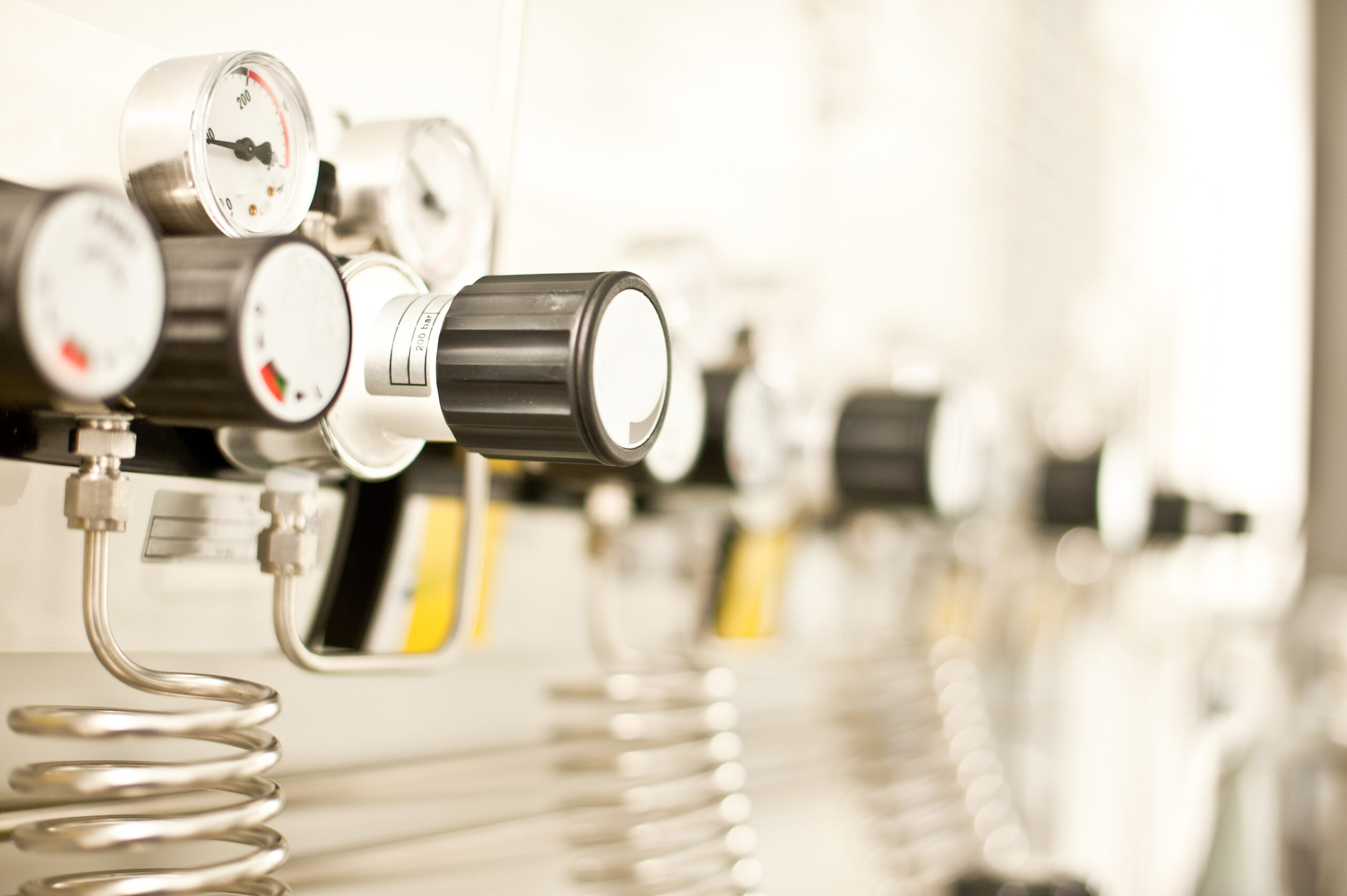


ACR Oversaw Listing, Verification and Issuance of Credits to A-Gas and Tradewater
LITTLE ROCK, AR—Yesterday, the Washington State Department of Ecology – the regulatory agency responsible for the state’s compliance carbon market – issued the first Ecology Offset Credits to two carbon projects. ACR was the Offset Project Registry for the two projects, issuing the serialized Registry Offset Credits that were converted to Ecology Offset Credits.
Both projects were verified for conformance with the California Air Resources Board Compliance Offset Protocol for Ozone Depleting Substance Projects, which was adopted by the Washington State Department of Ecology to generate the Registry Offset Credits. These credits can be used by covered entities towards meeting their emission reductions obligations in Washington’s program.
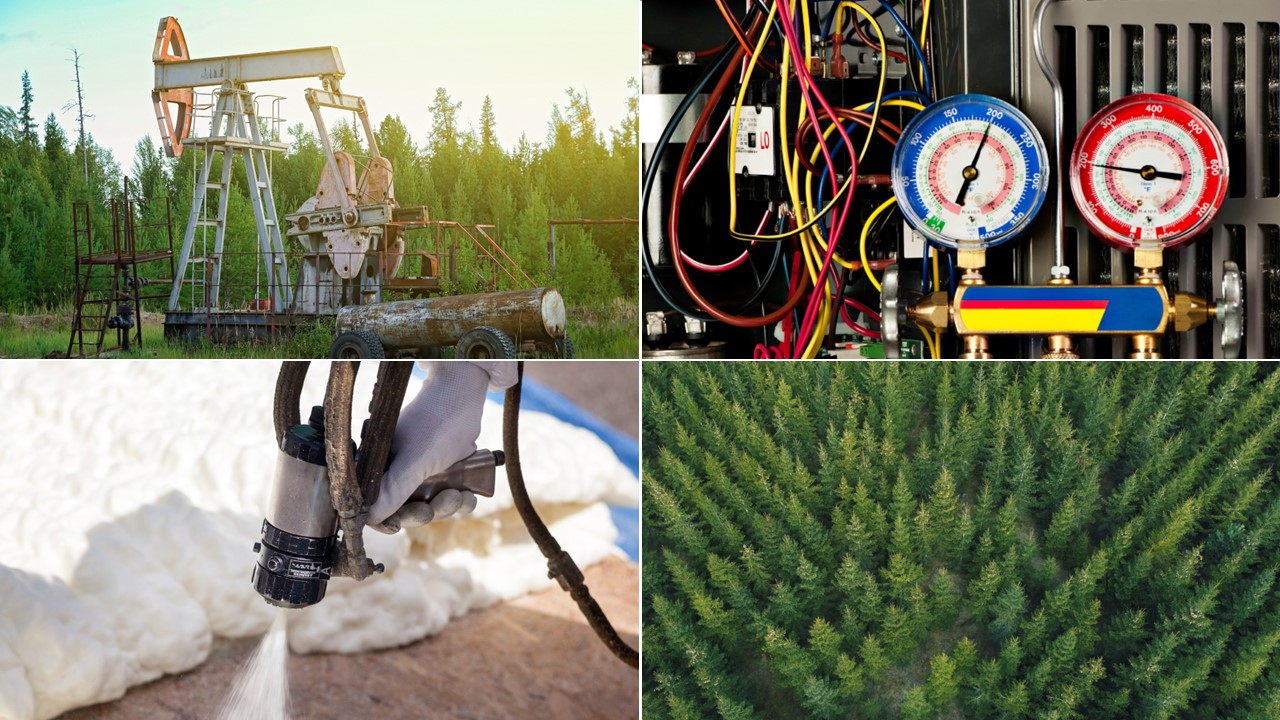
A-Gas (A-Gas 2-2023; Project ID: ACR902) and Tradewater (Tradewater ODS51; Project ID: ACR892) are the two carbon project developers who generated the Ecology Offset Credits. Each collected and destroyed refrigerants to permanently prevent the gases from contributing to climate change. Refrigerants and other ozone depleting substances are potent greenhouse gases that can warm the atmosphere 1,000 to 14,000 times more than CO2, which is why Project Drawdown ranked refrigerant management first in its 2017 list of climate solutions.
The Department of Ecology issued 109,180 Ecology Offset Credits to A-Gas and 139,956 Ecology Offset Credits to Tradewater after their project activities were independently verified by an accredited third-party verification & validation body, as overseen by ACR and Ecology.
“ACR is proud to be the first Offset Project Registry to issue carbon credits in support of the State of Washington’s commitment to climate action,” said Mary Grady, Executive Director of ACR. “Carbon markets offer the least-cost pathway to reduce greenhouse gas emissions while also supporting other priorities, such as clean air and healthy communities.”
In 2021, the Washington State Legislature passed the Climate Commitment Act, which created a market-based program (“Cap-and-Invest”) to cap and reduce greenhouse gas emissions from the state’s largest sources of pollution, such as oil refineries. Funds from the program support new investments in climate-resiliency programs, clean transportation, and addressing health disparities across the state.
In addition to the State of Washington, ACR has operated as the leading Offset Project Registry for the California Cap-and-Trade program since 2012, issuing over two-thirds of the credits used by regulated entities towards their emissions reduction requirements. The Colorado Air Quality Control Commission’s Recovered Methane Rule also names specific ACR methodologies as recovered methane protocols in that state’s program.
ACR Submits Application for ICVCM Assessment

ACR submitted our application to have our internationally recognized crediting program assessed against the Integrity Council for the Voluntary Carbon Market’s (ICVCM) Core Carbon Principles (CCPs).
ACR shares ICVCM’s theory of change: “build integrity and scale will follow.” We will only meet the goals of the Paris Agreement with robust global carbon markets, so our collective work is central to our shared future on this planet.
ACR has a proven track record of developing and implementing rigorous science-based carbon accounting methodologies, which make us a strong candidate for approval by the ICVCM. Our technical qualifications are the basis of our role over the last decade as the leading Offset Project Registry for California’s flagship cap-and-trade program, for which ACR has issued 2/3 of the credits used by compliance entities towards their regulatory obligations.
ACR is also approved by the International Civil Aviation Organization (ICAO) to supply credits to the world’s first global compliance offset market, CORSIA. The ICVCM Assessment Framework includes a “fast track” pathway for CORSIA-eligible programs. ACR and our sister organization, the Architecture for REDD+ Transactions (ART), meet this ICVCM requirement as we are both approved by ICAO to supply credits for the 2021-2023 CORSIA period, including post-2020 credits for this period and for the first CORSIA compliance period 2024-2026.
The ICVCM Core Carbon Principles (CCPs) are designed to give the market confidence in the integrity of carbon crediting programs and resulting credits. ACR is confident that it meets criteria that crediting programs must meet to qualify for the CCP label. In addition to ensuring robust governance and transparent oversight of verification and registry processes, projects to reduce and remove emissions must be additional to BAU, robustly quantified, compatible with a transition to net zero, and durable in terms of addressing and mitigating risks associated with non-permanence of emission reductions.
As the ICVCM process progresses, ACR will remain engaged through ICVCM’s technical working groups, including those for category assessments and continuous improvement. Mary Grady, executive director of both ACR and ART, serves on the ICVCM Governing Board; noting that she is a non-voting Board member and will not be involved in decisions ICVCM makes about any crediting programs, including ACR and ART.
ACR and ART are enterprises of Environmental Resources Trust, which is a wholly owned nonprofit subsidiary of Winrock International.
Public Comment Period for IFM v2.1 in January 2024
In January 2024, ACR will publish for public comment a draft methodology update, “Improved Forest Management (IFM) on Non-Federal U.S. Forestlands version 2.1.”
Ahead of that time we wanted to highlight a few key parts of the proposed revision.
First and foremost, this update includes a framework for periodic baseline reassessment. Rather than relying on assumptions made at project initiation for the crediting period duration, projects developed under version 2.1 will require periodic baseline reassessment – and recalculation when relevant – at intervals not to exceed five years. This proposed change is aligned with accounting under Article 6 of the Paris Agreement.
In addition, the revised methodology requires that baseline setting explicitly consider “common practice silviculture” in the region where the project is located. This includes substantiating the baseline silviculture and harvest intensities based on actual harvest activities occurring on comparable lands in the vicinity of the project. The methodology will allow a range of tools, including remote sensing, to guide the common practice silviculture assessment.
The methodology will prescribe a practical checklist to validate the assumptions underpinning the baseline over time. This checklist will consider changes in legality, operability and access, financial feasibility, forest products market capacity, and common practice silviculture. Baseline recalculation would be required in intervening reporting periods if the baseline cannot be substantiated by the assessments above.
When the methodology update is final, ACR will also publish an optional tool compatible with previous methodology versions that existing projects can use to implement the new approach to baseline setting as desired.
ACR recognizes that projects developed under our methodologies require long-term commitments from landowners. We undertake the revision with this understanding clearly in mind, which is why we are providing advanced notice about the public consultation and proposed changes.
ACR sincerely appreciates engagement from stakeholders to ensure the final methodology delivers high-quality, high-value credits into the carbon market.
Innovative Carbon Finance Strategy Pays for Active Forest Conservation

ACR and Green Assets pioneer new methodology to generate carbon credits and prevent forest loss
A new methodology released by ACR at Winrock International offers an innovative avenue to conserve and enhance forestlands in the United States.
Every year, the US loses nearly three million acres (1.2 million hectares) of forest to other land uses, negatively affecting wildlife and water quality and releasing carbon emissions into the atmosphere. The new ACR methodology – developed in partnership with Green Assets, Inc. – uses carbon finance to conserve and sustainably manage forests that are at risk of conversion to non-forest uses.
The newly published Methodology for the Quantification, Monitoring, Reporting and Verification of Greenhouse Gas Emission Reductions from Active Conservation and Sustainable Management on U.S. Forestlands generates carbon credits from forgoing the conversion of at-risk forests to agriculture, mining, real estate, and other non-forest land use development, and instead employing long-term conservation via 40+ year legally binding easements to durably protect and sustainably manage the forest resources.
“The loss of forestland to alternate uses is a major concern in the U.S. and worldwide,” said Dr. Kurt Krapfl, Forestry Director for ACR. “Carbon markets can create a powerful financial incentive to keep forests as forests, which is vital to achieve our climate goals.”
In addition to providing habitat for wildlife, clean water for drinking, recreation opportunities, and wood products, forests store vast quantities of carbon. Today, forests represent the largest terrestrial carbon sink in the US, capturing and storing approximately 13% of the nation’s greenhouse gas emissions. When forests are converted to other land uses, much of this carbon is emitted to the atmosphere where it contributes to climate change.
“As landowners working with landowners, we see firsthand the benefits of carbon finance in keeping forestland as forestland,” said Bailey Evans, CEO of Green Assets, which partnered with ACR to develop the new methodology. “We understand and have demonstrated the power of conservation finance to help landowners implement sustainable timber management, meet long-term stewardship goals, and conserve forestland. Green Assets is excited to partner with ACR to promote active forestland conservation across the country.”
In development since 2021, the publication of the new ACR methodology marks a significant step forward in addressing climate change through land-based initiatives and incentivizing active conservation and sustainable forest management practices. To qualify, landowners must demonstrate the threat of forest conversion through a qualified appraisal, then enact a legally binding conservation easement that ensures long-term carbon storage and accumulation associated with continued forest cover.
The quantified forest carbon stored and sequestered through forest growth on eligible projects generates tradable market assets in the form of carbon credits, which reward the landowner financially for the climate and ecosystem services benefits their forestlands provide.
About ACR
ACR is an internationally recognized carbon crediting program that operates in global compliance and voluntary carbon markets. A nonprofit enterprise of Winrock International, ACR was founded in 1996 as the first private greenhouse gas (GHG) registry in the world with the mission of harnessing the power of markets to improve the environment. ACR has long pioneered science-based methodologies for activities that reduce and remove GHG emissions in the forestry and land use, energy, and industrial sectors. ACR methodologies are built on the ACR Standard, which is rooted in sound science to ensure the emission reduction and removal credits we issue are real, additional, permanent, and independently verified. Learn more at https://acrcarbon.org/.
About Green Assets
Green Assets, “Landowners Working with Landowners®,” is a trusted leader in designing and implementing sustainable conservation and forest carbon credit projects. They work to bring environmental and economic value to clients & credit purchasers through unique opportunities and markets. Green Assets utilizes first-hand knowledge and expertise to enhance the economic and environmental potential of forest properties. Learn more at https://green-assets.com/.
American Carbon Registry is now ACR
Change Underscores Promise to Deliver Ambitious Climate Results
American Carbon Registry is now ACR. The new name underscores the organization’s longstanding promise to deliver Ambitious Climate Results, and better reflects the work being done by ACR’s team of experts across different sectors, geographies, markets, and services.
“We have a new name but our promise to partners and the market overall remains the same,” said Mary Grady, ACR Executive Director. “Our mission and our dedication to technical expertise and excellent customer service is unchanged.” ACR’s mission is to create confidence in the integrity of carbon markets, catalyzing transformational climate results.
Known as ACR by partners and clients for over a decade, the American Carbon Registry was established in 1996 as the world’s first carbon crediting program and has been a leader in the space ever since. While its robust, transparent and secure registry is still a centerpiece of ACR’s program, its contributions to climate action have always been much broader, including pioneering rigorous, science-based carbon accounting standards and methodologies, as well as overseeing independent verification of GHG emission reduction and removals projects.
The new name brings ACR into alignment with the reality that it is a global carbon crediting program focused on a range of greenhouse gases and offering services in addition to the registry. ACR operates in compliance and voluntary carbon markets, including California’s Cap-and-Trade market, the International Civil Aviation Organization’s (ICAO) Carbon Offsetting and Reduction Scheme for International Aviation (CORSIA), Washington State’s Cap-and-Invest market, Colorado’s Methane Recovery market and has an MoU with the Government of Singapore’s National Environment Agency.
To coincide with its new name, ACR launched a new website, designed to offer users improved functionality and an enhanced experience, with easy access to valuable technical and policy resources related to the different markets in which ACR operates, the ACR registry and linked credit trading platforms, and ACR’s standard and methodologies.
ACR’s New Methodology to Adopt Orphaned Oil & Gas Wells for Climate Action
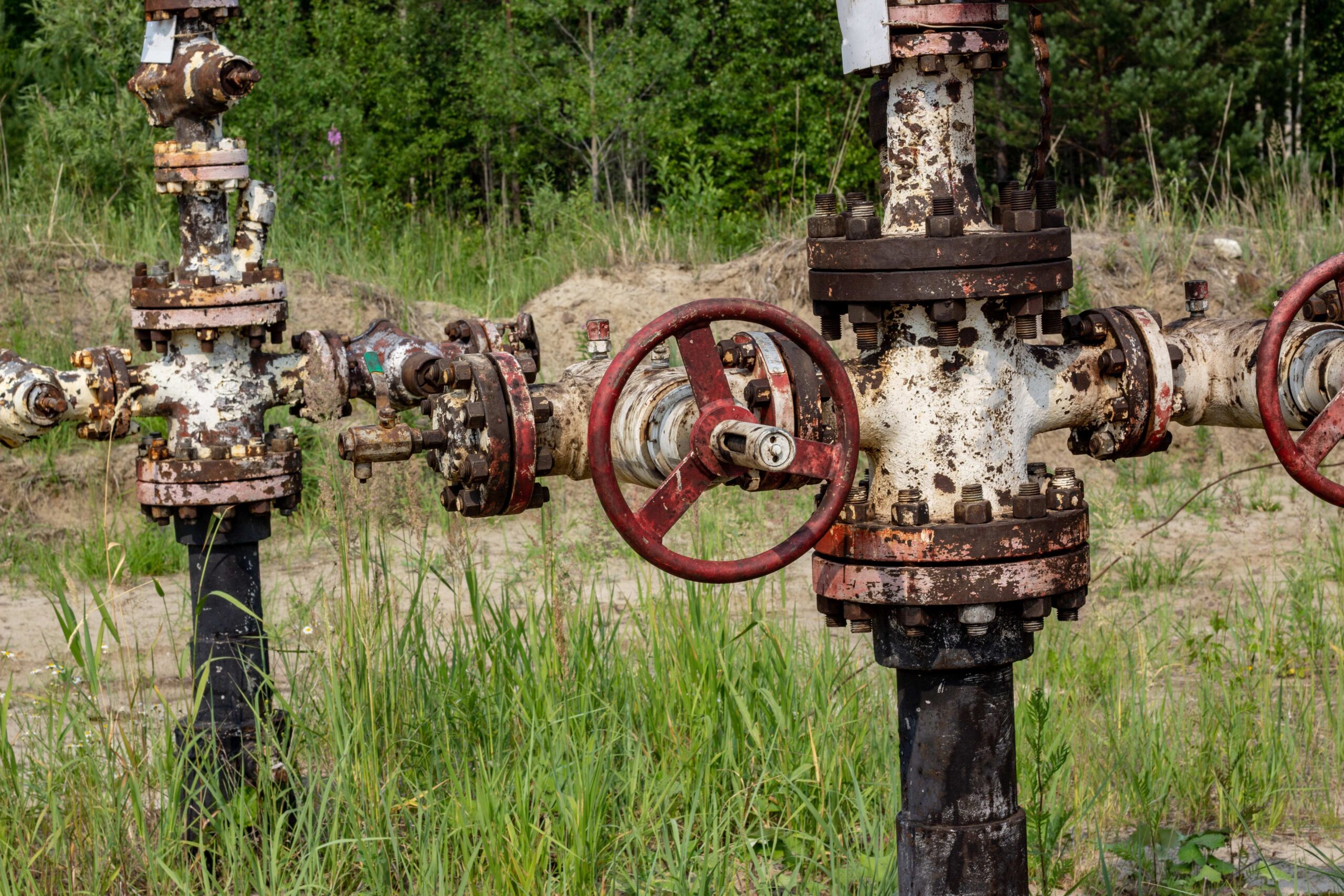
ACR has published the world’s first methodology to leverage carbon market finance to plug orphaned oil and gas (OOG) wells in the United States and Canada. The methodology provides the eligibility requirements and accounting framework for the creation of carbon credits from the reduction in methane emissions by plugging OOG wells. Orphaned wells are inactive and have no solvent owner of record. These wells can leak toxic chemicals that lead to air pollution, groundwater contamination, soil degradation, damage to ecosystems, and risk of explosions. OOG wells also pose an acute climate threat. The wells are often leaking methane, a potent greenhouse gas which is a large contributor to warming. Rapidly reducing methane emissions, including from orphan wells, will significantly reduce early atmosphere warming and associated impacts.
Researchers at McGill University, together with the Environmental Defense Fund (EDF), have produced a map of 120,000 documented OOG wells across 30 states in the U.S. However, estimates of additional undocumented OOG wells range as high as several million across the country. The EPA estimates the volume of methane being released from these orphan and other inactive wells to be between 7 and 20 million tons of CO2e every year, though it could range much higher.
This webinar shares information about ACR’s methodology, about the environmental and climate harm of OOG wells, and answers audience questions about the methodology.
ACR Approves First-of-a-Kind Carbon Crediting Methodology for Plugging Orphaned Oil and Gas (OOG) Wells
LITTLE ROCK, Ark., May 24, 2023 – The American Carbon Registry (ACR), a nonprofit enterprise of Winrock International, has published the world’s first methodology to leverage carbon market finance to plug orphaned oil and gas (OOG) wells in the United States and Canada. In the U.S. alone, the Environmental Protection Agency (EPA) estimates methane emissions from abandoned wells, of which orphaned wells are a subset, to be at least 7 million metric tons of CO2 equivalent annually, which is likely an underestimate. While U.S. government funding is available to plug orphaned wells, it is woefully inadequate to address the issue with estimates of a funding gap of many tens of billions of dollars.
The ACR Methodology for the Quantification, Monitoring, Reporting and Verification of Greenhouse Gas Emission Reductions from the Plugging of Orphaned Oil and Gas (OOG) Wells – developed in partnership with Dr. Mary Kang of McGill University, one of the world’s foremost experts on the topic – provides the eligibility requirements and accounting framework for the creation of carbon credits from the reduction in methane emissions by plugging OOG wells.
Orphaned wells are unplugged, inactive and have no solvent owner of record. Many of these wells have fallen into advanced states of disrepair and are leaking methane, a potent greenhouse gas. Unplugged wells can also leak other toxic chemicals that lead to air pollution, groundwater contamination, soil degradation, damage to ecosystems, and risk of explosions.
While oil and gas operators are required to plug wells at the end of their productive lives, more than 160 years of oil and gas operations has left the legacy of a huge number of orphaned wells in the U.S. and Canada, for which no operator exists. In these cases, responsibility for plugging the wells falls to states/provinces, federal agencies or Native American tribes, which have historically lacked the funding needed to address the problem in a meaningful way.
“The ACR methodology is designed to address the enormous gap in the existing resources to plug orphaned wells. It is intended to incentivize the plugging of leaking oil and gas wells in the U.S. and Canada, creating a pathway for carbon markets to help finance this activity for maximum climate impact,” said Mary Grady, Executive Director of ACR.
OOG wells pose a serious climate threat. Researchers at McGill University, together with the Environmental Defense Fund (EDF), have produced a map of 120,000 documented OOG wells across 30 states in the U.S. However, estimates of additional undocumented OOG wells range as high as several million across the country. Because of this, the United States Environmental Protection Agency (EPA) classifies abandoned wells, of which orphaned wells are a subset, as one of the most uncertain sources of methane emissions in the US, estimating 7-20 million metric tons of CO2 equivalent annually.
“It is highly likely that we are vastly underestimating the climate impact of OOG wells because of a basic lack of information. One of our main ambitions with this methodology is to help drive investment in innovation and technology, which in turn leads to the collection of more data. Our hope is that as we better understand the extent of this problem, legislative and other solutions can be developed that will help to address the challenge based on a stronger understanding of what it will take to solve it,” said Maris Densmore, ACR’s Director of Industrial Solutions.
Proper plugging and remediation of all U.S. and Canadian OOG wells is now an extremely large financial burden for local and federal governments, and there are significant backlogs because of lack of resources, equipment, and experienced personnel. While roughly $4.7 billion in funding was made available through the REGROW Act (part of the 2021 Infrastructure Investment and Jobs Act), a Columbia University report estimates that the cost of plugging a mere 500,000 wells could be as high as $24 billion. Carbon markets can provide financial incentives for additional action that complements other private, philanthropic, state and government led initiatives.
“While not a silver bullet, carbon finance can provide an innovative contribution by offering an additional source of funding. It will prioritize plugging the wells that are emitting the highest levels of methane, promoting a long-term solution with results that are measured, monitored and verified over the course of decades,” Densmore said.
The potential costs for capping wells vary widely. While carbon credit purchases may be enough to cover the full costs of capping some wells, most funding will be supplemental to additional state, non-profit and federal funding for well capping. Each state has different rules and regulations that will determine whether participating in the carbon market is the right investment. For some states the contribution to bonds to cover the costs of wells may be adequate, but that isn’t guaranteed now or in the future.
ACR Announces Public Comment Period for ACR Standard v8.0
LITTLE ROCK, Arkansas, May 1, 2023 – ACR, a nonprofit enterprise of Winrock International, announces an open public comment period for updates to the ACR Standard, which details ACR’s requirements and specifications for the quantification, monitoring, reporting, verification, registration and issuance of project-based GHG emission reductions and removals as carbon credits.
Proposed updates to the ACR Standard from version 7.0, published December 2020, to version 8.0 were previously posted for public comment in November 2021. This May 2023 public comment version reflects ACR’s responses to the first round of public comments as well as additional programmatic clarifications.
Key updates include codifying ACR’s existing scope exclusion for projects that displace one type of fossil fuel to another type of fossil fuel and projects that lock-in long-term GHG emissions; clarifying requirements to use ACR templates for key project document submissions; detailing the specification of environmental and social risk assessment requirements and the use of ACR tools and templates; and significantly enhancing the Complaints and Appeals process to detail the scope of complaints, the stepwise process for evaluation, investigation and resolution including timelines, and the requirements and process for appeals.
A detailed summary of changes is provided on the ACR website.
Please submit written comments to ACR@winrock.org with the subject line “ACR 8.0 Public Comments” by June 2, 2023.
ACR Standard 8.0 will go into effect July 1, 2023.