


This website uses cookies so that we can provide you with the best user experience possible. Cookie information is stored in your browser and performs functions such as recognising you when you return to our website and helping our team to understand which sections of the website you find most interesting and useful.
Resources Tag: CASE STUDY
Supporting the Next Generation of Forest Stewards in the Heart of Timber Country
Share


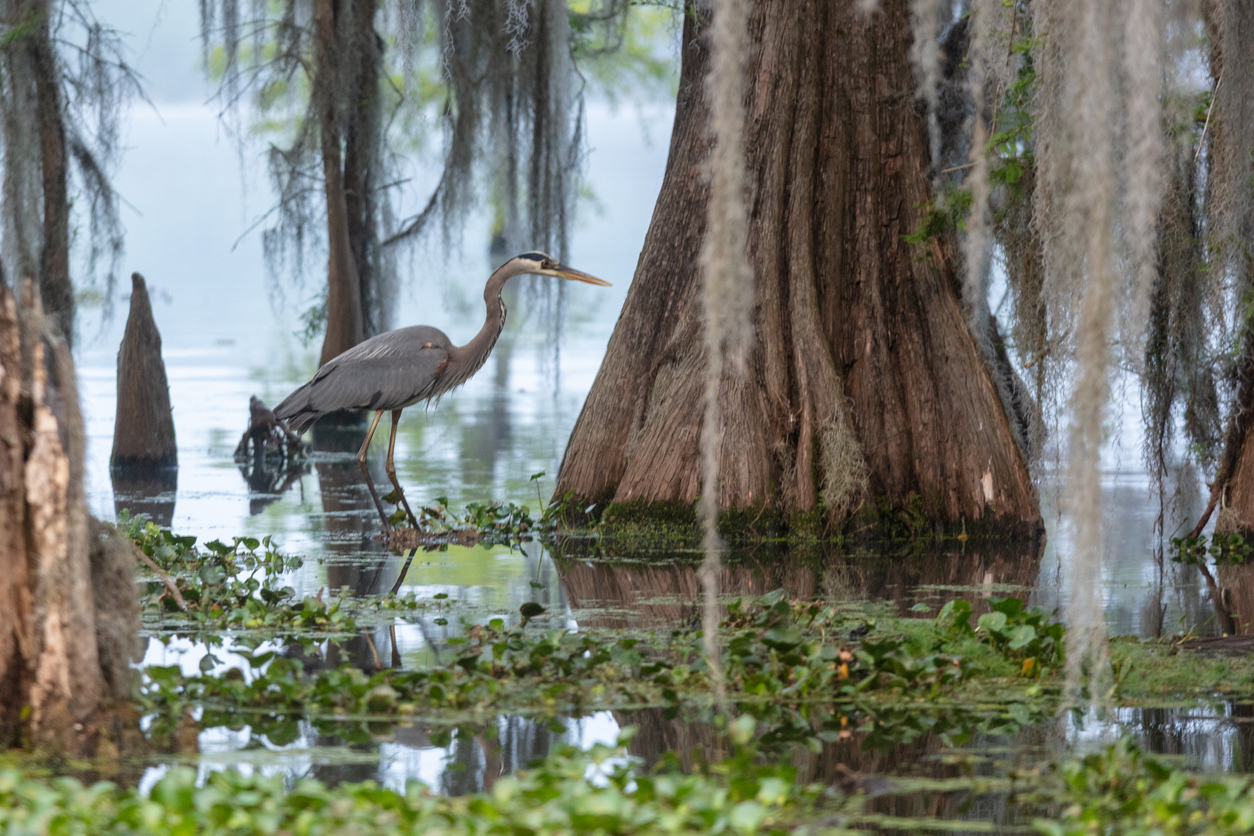
Robert Lane grew up visiting his grandfather’s camp on the banks of the Ouachita River in the heart of timber country. Located just outside of Monroe, Louisiana, the camp was part of a property known as the Mineral Lands, which was co-owned by shareholders who used it for hunting, fishing, and other recreation, along with income, largely from cutting trees. “We were constantly on the lookout with local foresters for tracts to cut,” Lane noted. The shareholders depended on the dividends from timber to make ends meet.
Today, Lane is the president of the Mineral Lands Corporation, having taken over the role from his grandfather in 2018. Yet while the forest is still harvested, the management has changed. “We no longer need to rely on clearcutting to generate income,” Lane noted.
Behind the change is a decision that Lane and the other shareholders made to try something different to improve the health of their forest while maintaining a source of income. The Mineral Lands became part of a carbon project being developed by NativState.
Arbor Day Foundation Uses Carbon Finance to Accelerate Reforestation
Share
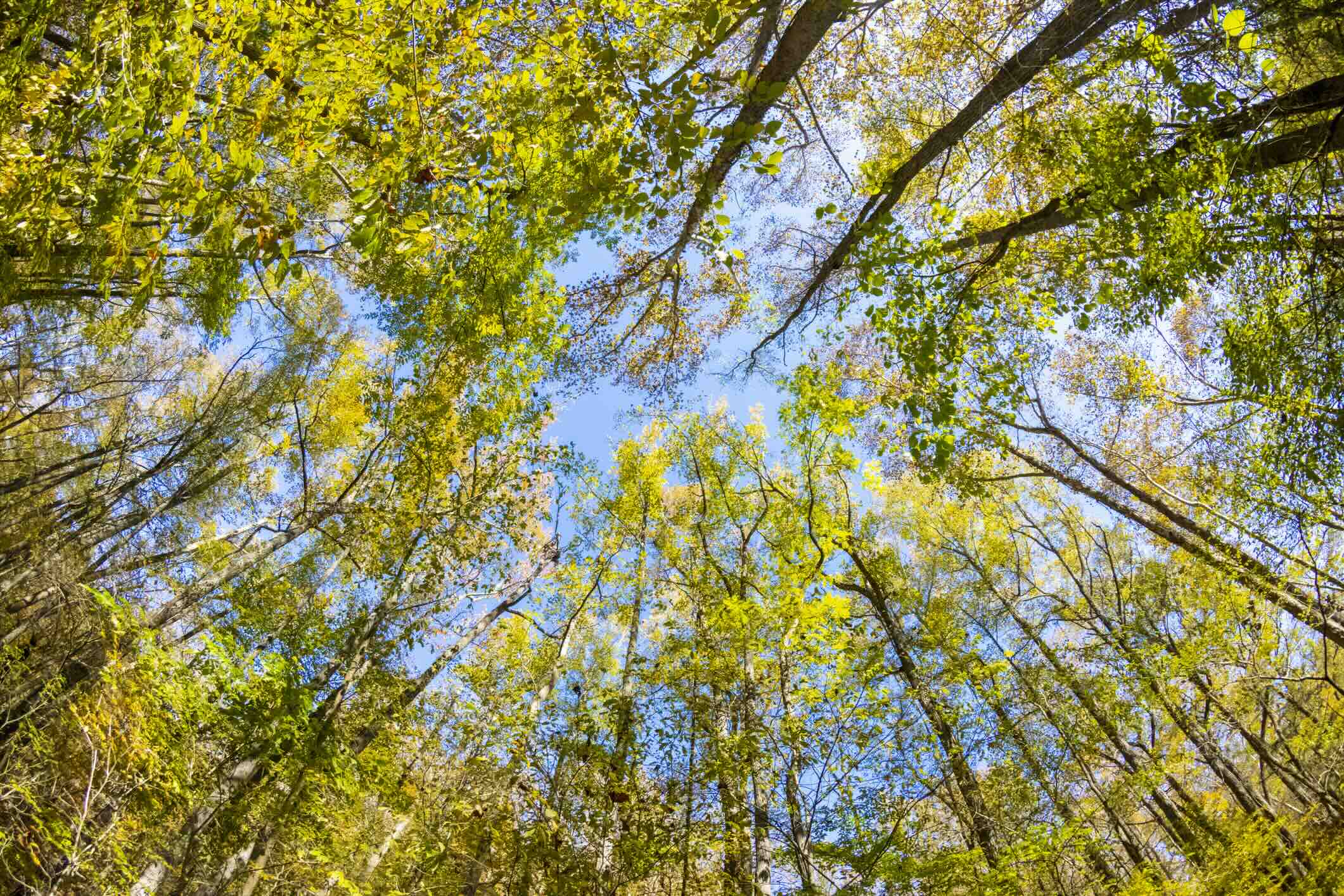
Since 1972, the Arbor Day Foundation has planted more than half a billion trees in more than 60 countries. Arbor Day Carbon is a global leader in transacting forest carbon credits to plant and grow new trees. To date, the organization has retired more than 1.6 million credits issued by ACR, planting millions of trees as a result.
Increasing Landfill Gas Capture
Share
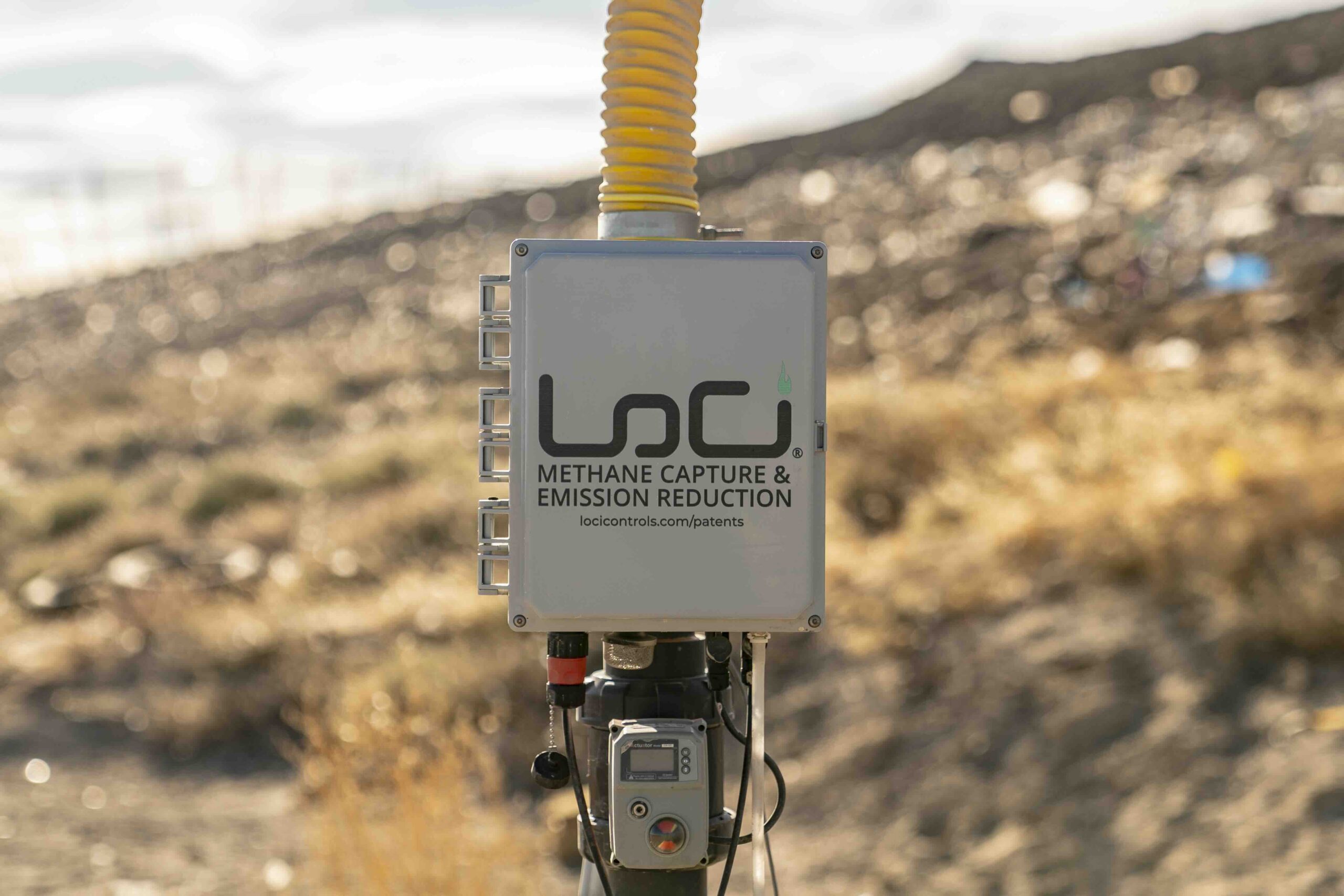
“People don’t realize what it takes to run a landfill,” noted Tony Riviera, Managing Director of Landfill Operations for Cumberland County, New Jersey. “For example, they don’t know we have automated systems and don’t understand the complexity of the systems.”
First opened in 1987, Cumberland County’s landfill handles about 300,000 short tons of municipal solid waste per year. From the beginning, the operators liked to be on the cutting edge. From a heat exchanger that increases efficiency to a micro energy grid onsite, they work hard to show what’s possible.
When LoCI Controls approached the landfill with an innovative idea, the team at Cumberland County decided to take a closer look. At first it sounded too good to be true; LoCI would install its cutting-edge, real-time data and automated control system, which would increase gas collection efficiency at no cost to the landfill. To make it possible, the landfill would become a carbon project, and the sale of credits would cover the costs.
Planting a Forest Across Generations
Share
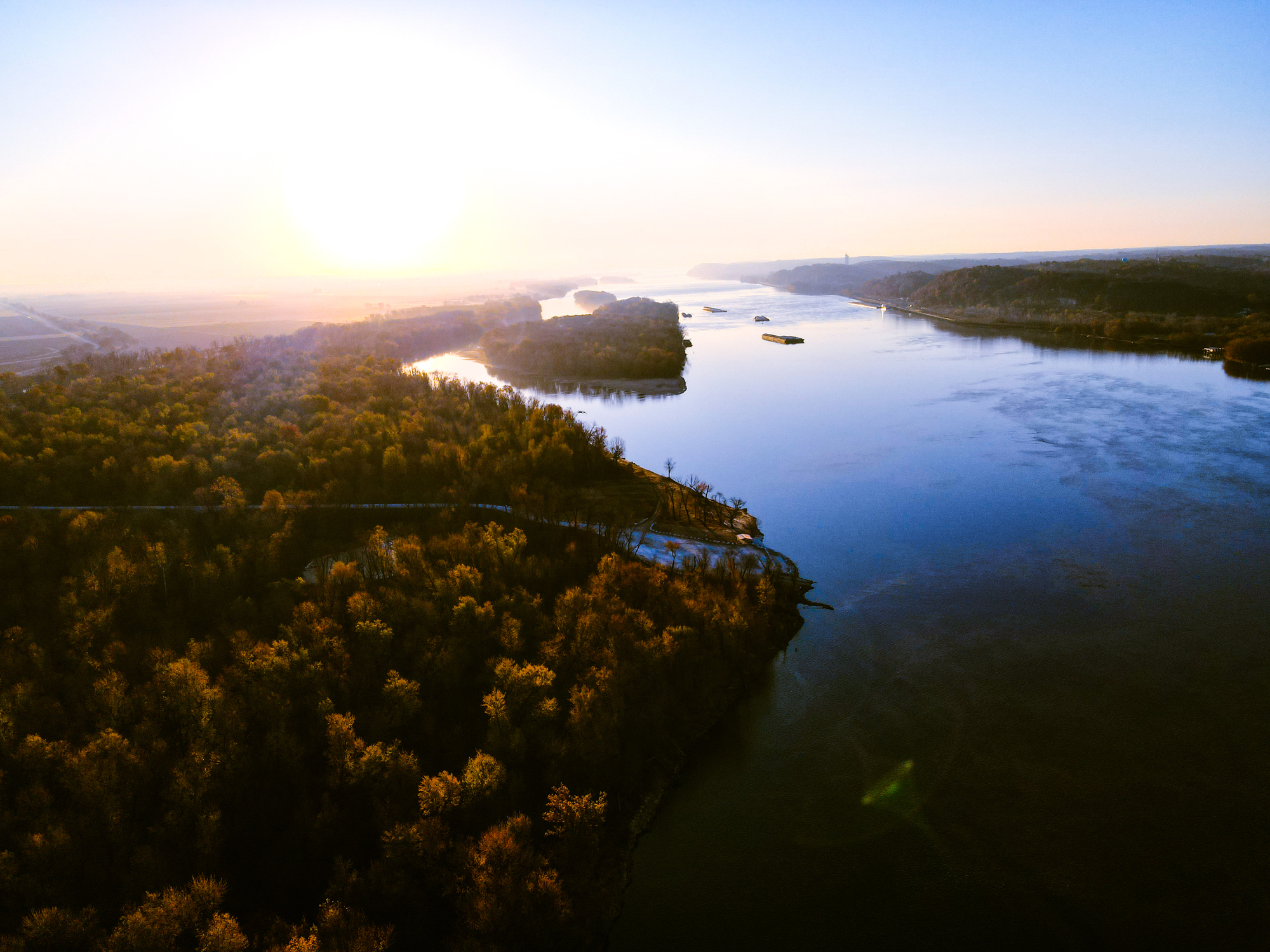
Janie Cater’s grandfather, Grover C. Womack, first settled in Catahoula Parish, Louisiana in 1870. Establishing a family farm that operated for more than 100 years, generations of the Womack family were raised on the land.“It’s where everything happened,” Cater explained. “It’s where we rode horses, went hunting and walked with the children. I consider it a family legacy.”
Just over 1,000 acres, the farm was not fertile enough to grow cotton, the last crop the family tried. Instead, it was mostly used for grazing cattle. Then, the family was approached by GreenTrees with an opportunity to partner, offering an alternative income source via carbon credits to offset ownership costs. As a result, something different was planted, trees.
Using Carbon Finance to Advance Self-Determination
Share
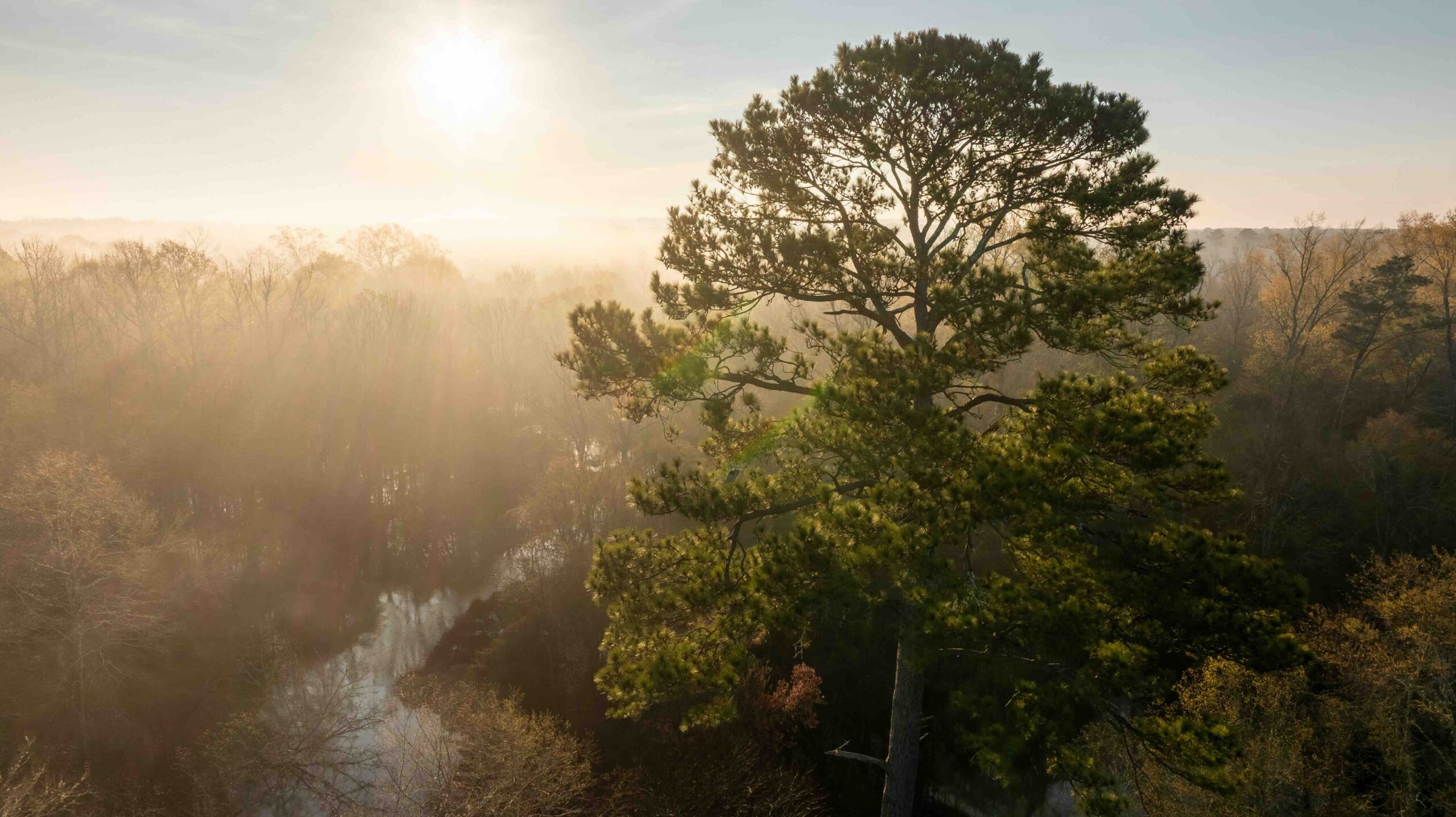
The Mississippi Band of Choctaw Indians have long been guided by the doctrine of self-determination. They have inhabited the region around Nanih Waiya – a massive earthen mound and cave that marks the birthplace of the Tribe – for thousands of years. As an independent nation, the Choctaw have worked hard to control their own destiny.
Self-determination guides the Tribe’s economic, educational and community development, including its forest management. Now, the Tribe is using their forest in a new way, developing a carbon project to help fund the expansion of a new Choctaw Central complex, which will house a middle and high school.
Special thanks to Stephen Taglieri for use of his fantastic photography.
Duke University Achieves Carbon Neutral Pledge
Share
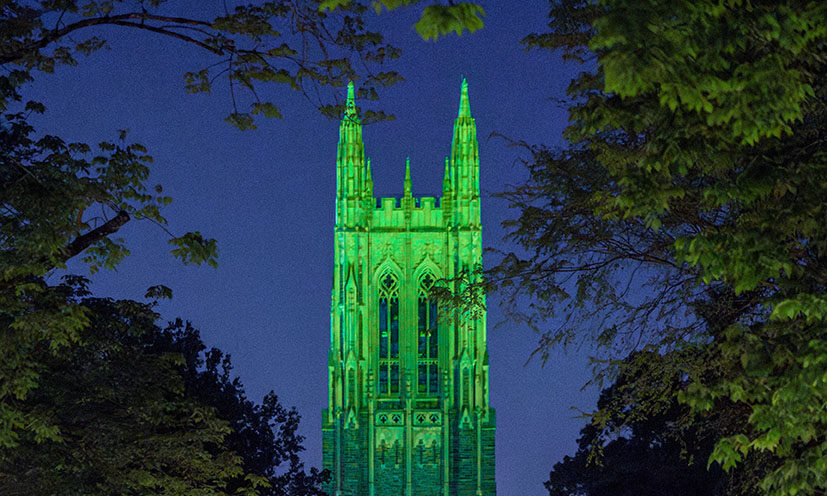
Duke University in Durham, N.C., consistently ranks among the very best U.S. universities. Now Duke is known for an additional achievement: climate leadership.
Complementing the Montreal Protocol
Share
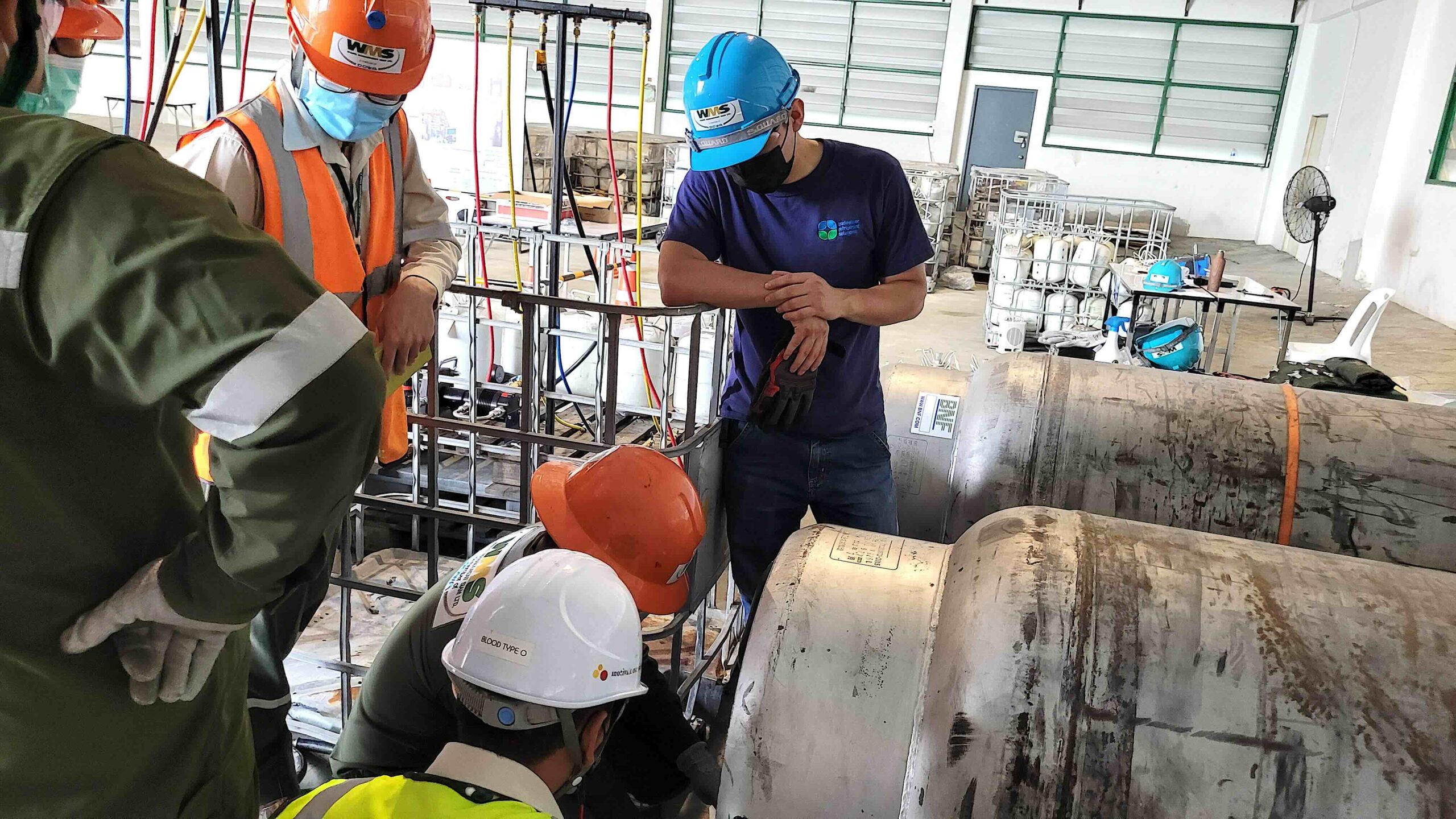
The Tradewater-Thailand Carbon Project worked to safely and responsibly destroy ozone-depleting substances – which are also potent climate-changing gases – from more than 1,400 cylinders, despite the fact that there is no law, rule, or regulation requiring their destruction.
Building the Bioeconomy with Forest Carbon Credits
Share
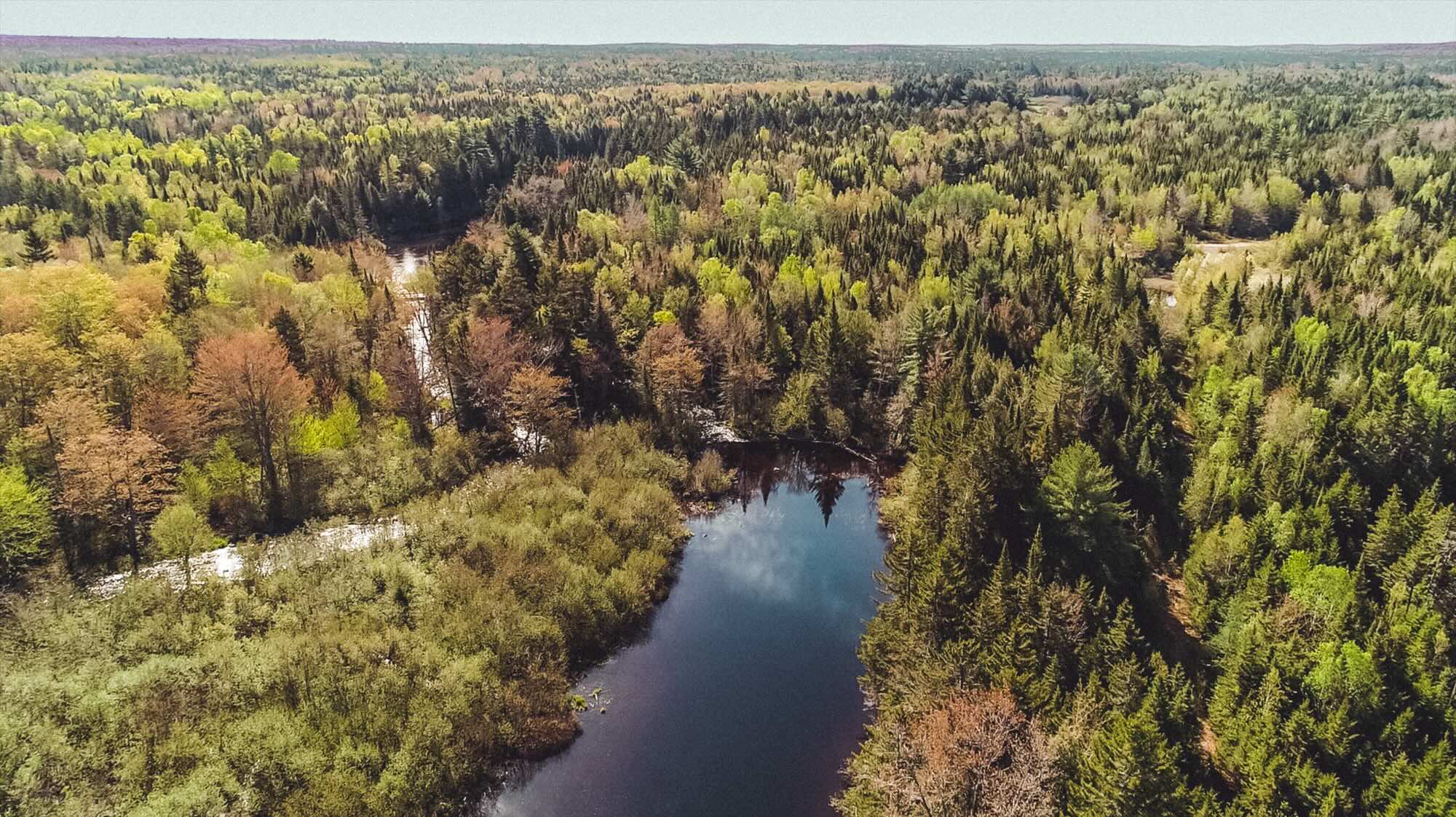
Set on more than 36,000 acres of Acadian Forest in Maine, the Anew-Tomah Highlands Forestry Project shows how the sale of carbon credits supports conservation and climate goals, while also promoting regional economic development to build the bioeconomy from responsible forestry.