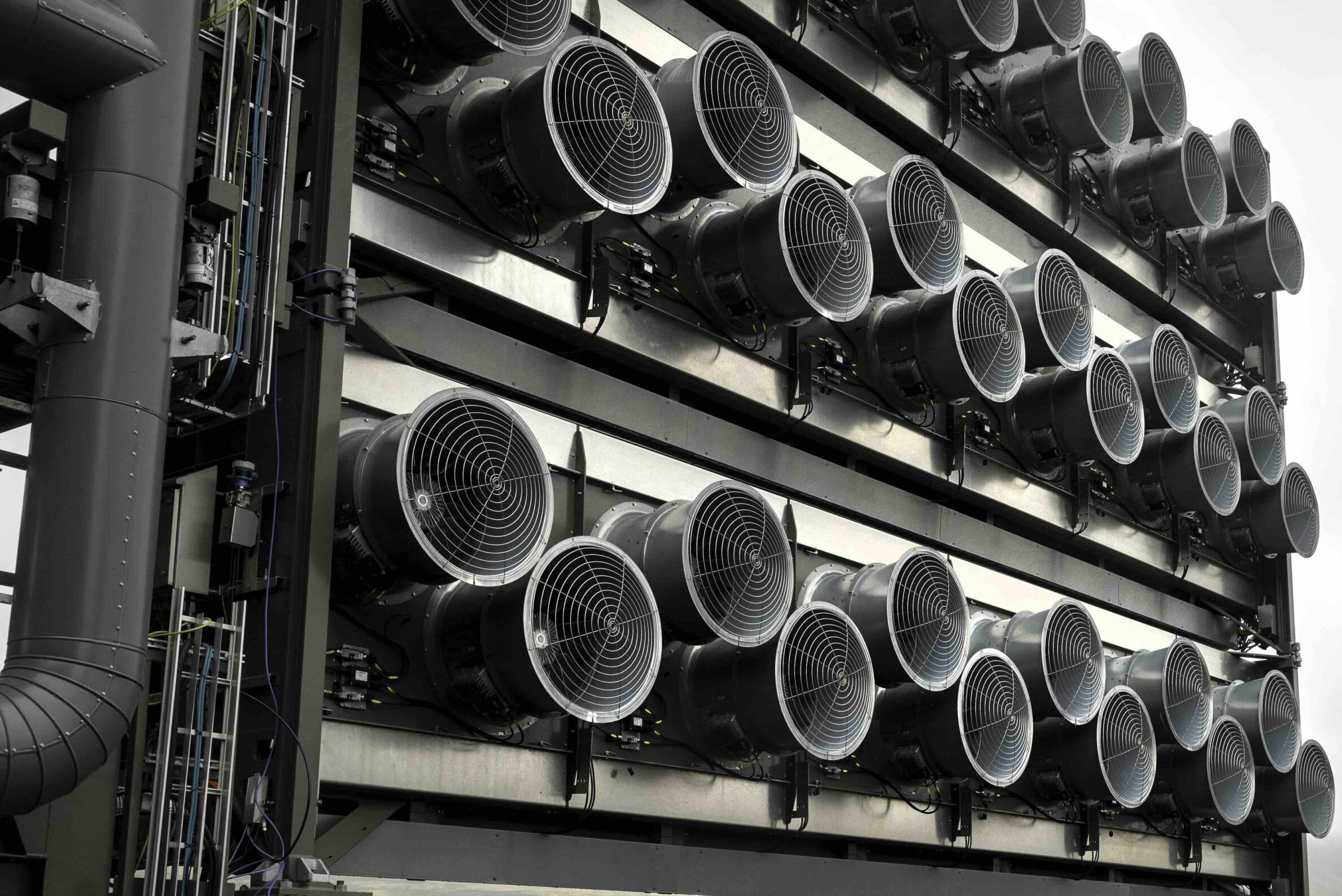


ACR has published version 2.0 of the Methodology for the Quantification, Monitoring, Reporting, and Verification of Greenhouse Gas Emission Reductions and Removals from Carbon Capture and Storage Projects.
Read more
The intent of the Methodology is to provide the quantification and accounting framework for the creation of carbon credits from carbon capture and storage (CCS) projects, including procedures for determining eligibility, assessing additionality, and quantifying, monitoring, reporting, and verifying greenhouse gas (GHG) emission reductions and removals.
CCS involves capturing carbon dioxide (CO₂) that would otherwise be released into the atmosphere or is already present in atmospheric concentrations and injecting it deep underground for permanent storage in geologic reservoirs. CCS is increasingly recognized as a technology that is essential for achieving climate commitments, meeting near- and long-term emission reduction targets, and enabling the transition to sustainable, net-zero-carbon economies. By addressing industrial and electricity generation emissions and atmospheric CO₂, CCS provides the flexible infrastructure needed to mitigate climate change impacts across multiple sectors and timelines (IPCC, 2022).
Key changes in version 2.0 include the following:
- The methodology aligns with the highest standards of rigor for monitoring, reporting, and verification (MRV) of geologic CO₂ storage. Its MRV framework requirements parallel the stringent expectations of the U.S. EPA Class VI and Section 45Q programs, applying comparable requirements to all projects regardless of jurisdiction or permit type or class to ensure consistent and comparable oversight of CO₂ storage activities.
- Fossil and biogenic CO₂ sources are both eligible in the methodology, including CDR, DAC, BECCS, and BiCRS. Sustainable biomass safeguards are added for all biogenic sources of CO₂.
- Storage in saline reservoirs, depleted oil and gas reservoirs, and producing oil reservoirs (with CO₂-enhanced oil recovery) is eligible.
- Crediting periods are 12 to 15 years long, depending on the CO₂ source and geologic storage reservoir. Non-EOR projects can renew their crediting periods and CO₂-EOR projects are non-renewable.
A full summary of changes from version 1.1 to version 2.0 is published below. Version 2.0 of the methodology was authored by ACR. The methodology was originally developed with Blue Strategies.
ACR is an internationally recognized carbon crediting program that operates in global compliance and voluntary carbon markets. A nonprofit enterprise of Winrock International, ACR was founded in 1996 as the first private greenhouse gas (GHG) registry in the world with the mission of harnessing the power of markets to improve the environment.