

This website uses cookies so that we can provide you with the best user experience possible. Cookie information is stored in your browser and performs functions such as recognising you when you return to our website and helping our team to understand which sections of the website you find most interesting and useful.
Archives: Methodology
Methodology
Plugging Orphaned Oil and Gas Wells
Share


ACR is working with trusted partners and industry experts to update its Methodology for the Quantification, Monitoring, Reporting and Verification of Greenhouse Gas Emission Reductions and Removals from the Plugging of Orphaned Oil and Gas (OOG) Wells to version 2.0 following ACR’s methodology update process, which will include a public comment period and scientific peer review. Publication of an updated version is planned for 2026.
Read more
The Methodology was originally developed in partnership with Dr. Mary Kang of McGill University.
This methodology provides the eligibility requirements and accounting framework for the creation of carbon credits from the reduction in methane emissions by plugging OOG wells.
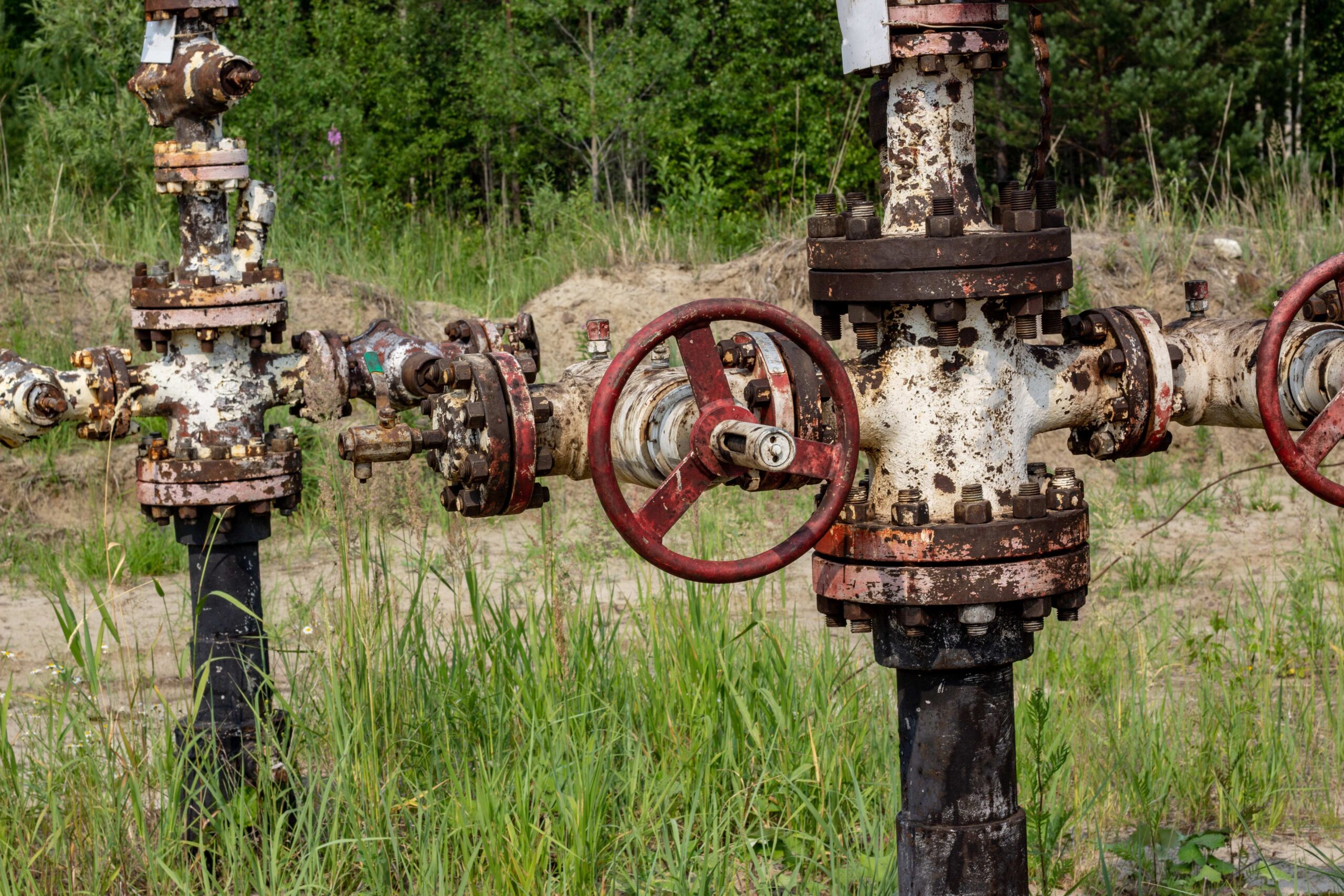
Orphaned wells are unplugged, inactive and have no solvent owner of record. Many of these wells have fallen into advanced states of disrepair and are leaking methane, a potent greenhouse gas. Unplugged wells can also leak other toxic chemicals that lead to air pollution, groundwater contamination, soil degradation, damage to ecosystems, and risk of explosions.
While oil and gas operators are required to plug wells at the end of their productive lives, more than 160 years of oil and gas operations has left the legacy of a huge number of orphaned wells in the U.S. and Canada, for which no operator exists. In these cases, responsibility for plugging the wells falls to states/provinces, federal agencies or Native American tribes, which have historically lacked the funding needed to address the problem in a meaningful way.
OOG wells pose a serious climate threat. Researchers at McGill University, together with the Environmental Defense Fund (EDF), have produced a map of 120,000 documented OOG wells across 30 states in the U.S. However, estimates of additional undocumented OOG wells range as high as several million across the country. Because of this, the United States Environmental Protection Agency (EPA) classifies abandoned wells, of which orphaned wells are a subset, as one of the most uncertain sources of methane emissions in the US, estimating 7-20 million metric tons of CO2 equivalent annually.
Proper plugging and remediation of all U.S. and Canadian OOG wells is now an extremely large financial burden for local and federal governments, and there are significant backlogs because of lack of resources, equipment, and experienced personnel. While roughly $4.7 billion in funding was made available through the REGROW Act (part of the 2021 Infrastructure Investment and Jobs Act), a Columbia University report estimates that the cost of plugging a mere 500,000 wells could be as high as $24 billion. Carbon markets can provide financial incentives for additional action that complements other private, philanthropic, state and government led initiatives.
The potential costs for capping wells vary widely. While carbon credit purchases may be enough to cover the full costs of capping some wells, most funding will be supplemental to additional state, non-profit and federal funding for well capping. Each state has different rules and regulations that will determine whether participating in the carbon market is the right investment. For some states the contribution to bonds to cover the costs of wells may be adequate, but that isn’t guaranteed now or in the future.
ACR is an internationally recognized carbon crediting program that operates in global compliance and voluntary carbon markets. A nonprofit enterprise of Winrock International, ACR was founded in 1996 as the first private greenhouse gas (GHG) registry in the world with the mission of harnessing the power of markets to improve the environment.
INACTIVE: Avoided Conversion of Grasslands and Shrublands to Crop Production
Share
The ACR methodology for Reductions and Removals from Avoided Conversion of Grasslands and Shrublands to Crop Production is inactive and ineligible for listing new projects on ACR. The methodology relies on a performance standard additionality test that, per requirements in the ACR Standard, must be re-assessed at minimum every 5 years. The methodology may become active again based on the results of the performance standard review. ACR made the Avoided Conversion of Grasslands and Shrublands to Crop Production methodology inactive on December 31, 2024.
Read more
ACR has published version 2.0 of the Methodology for the Quantification, Monitoring, Reporting and Verification of Greenhouse Gas Emission Reductions and Removals from Avoided Conversion of Grasslands and Shrublands to Crop Production.
The methodology was updated to make it simpler to use, reduce project development costs without sacrificing accuracy in accounting, better align with conservation programs, and reflect the latest trends in conversion. An Errata and Clarification document for v2.0 has also been posted and must applied in conjunction with the methodology.
Version 1.0 of the methodology was developed by Ducks Unlimited, The Nature Conservancy, The Climate Trust, Environmental Defense Fund, and Terra Global Capital LLC. Financial support to update the methodology (v2.0) was provided by a USDA NRCS Conservation Innovation Grant, awarded to Ducks Unlimited, The Nature Conservancy and ACR.
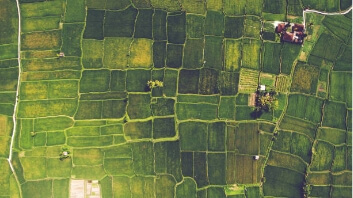
The intent of the Methodology is to incentivize avoided soil carbon loss and agricultural GHG emissions through the placement of grasslands under conservation easements that preclude cultivation. Grassland and shrubland soils are significant reservoirs of organic carbon that, if left uncultivated, will continue to store this carbon below ground. Additional environmental benefits achieved through this project type are: habitat conservation, sediment retention, water purification, recreation and support to traditional ranching economies.
The methodology quantifies the emissions avoided from preventing the conversion of grasslands and shrublands to commodity crop production in the U.S. In addition to the avoided cultivation and oxidation of soil organic carbon, several crop production practices, such as fertilizer application, may also be avoided. Livestock, primarily cattle, are anticipated to be common in the project scenario and their associated emissions from enteric fermentation and manure deposition are accounted for.
ACR is an internationally recognized carbon crediting program that operates in global compliance and voluntary carbon markets. A nonprofit enterprise of Winrock International, ACR was founded in 1996 as the first private greenhouse gas (GHG) registry in the world with the mission of harnessing the power of markets to improve the environment.
Advanced Refrigeration Systems

Share
ACR has published version 3.0 of the Methodology for the Quantification, Monitoring, Reporting and Verification of Greenhouse Gas Emission Reductions and Removals from Advanced Refrigeration Systems. The intent of the Methodology is to incentivize GHG emission reductions through the deployment and use of advanced refrigeration systems in large commercial and stand-alone commercial refrigeration.
Read more
The refrigerant industry has been moving to introduce advanced commercial refrigerant technologies for years, yet the adoption of these technologies has been slow. Such systems may deploy refrigerants, such as ammonia, carbon dioxide, hydrocarbons, and hydrofluoroolefins, as alternatives to commonly used hydrofluorocarbon (HFC) and hydrochlorofluorocarbon (HCFC) refrigerants. The Methodology is based on a robust data set, including the greenhouse gas inventories for Canada, Mexico, and the U.S.
Key changes in version 3.0 include the following:
- Updated default GWP values of baseline refrigerants to be applied in quantification of baseline emissions, to account for changes to U.S. regulation of refrigerants coming into effect on January 1, 2025, especially the U.S. EPA’s Rule, Phasedown of Hydrofluorocarbons: Restrictions on the Use of Certain Hydrofluorocarbons, under Subsection (i) of the American Innovation and Manufacturing Act of 2020.
- Updated performance standards for projects based in the U.S., Canada, and Mexico to reflect the latest data on market penetration rates for ultra-low-GWP and lower-GWP refrigerants.
- Updated annual amortized emission rates for eligible applications in the U.S. based on first-fill, annual, and disposal emission rates published in the Inventory of U.S. Greenhouse Gas Emissions and Sinks: 1990-2022.
A full summary of changes from version 2.1 to version 3.0 is published below. The Methodology was originally developed by Dentons US and EOS Climate in cooperation with Susan Wood Consulting and True Manufacturing.
ACR is an internationally recognized carbon crediting program that operates in global compliance and voluntary carbon markets. A nonprofit enterprise of Winrock International, ACR was founded in 1996 as the first private greenhouse gas (GHG) registry in the world with the mission of harnessing the power of markets to improve the environment
Improved Forest Management (IFM) on Non-Federal U.S. Forestlands

Share
ACR, a nonprofit enterprise of Winrock International, has approved version 2.1 of its Methodology for the Quantification, Monitoring, Reporting and Verification of Greenhouse Gas Emission Reductions and Removals for Improved Forest Management (IFM) on Non-Federal U.S. Forestlands. IFM version 2.1 is immediately applicable to all new project listings.
Read more
The IFM methodology quantifies the carbon sequestration benefits of forests, providing a carbon finance incentive for landowners to achieve a higher standard of sustainable forest management by forgoing intensive harvesting or selling off timberlands. IFM offers an immediate, scalable, and cost-effective strategy to mitigate climate change now, as the economy transitions toward net-zero by mid-century.
The ACR IFM methodology is applicable to a variety of landowner types, including private industrial, private non-industrial, tribal, public non-federal, and non-governmental organizations.
Emission reductions are quantified when projects exceed baseline forest management, and removals are quantified for retention of annual forest growth. The primary carbon sequestration mechanism is the commitment to grow trees longer and increase forest stocking.
Key updates in version 2.1 include the following:
- A new tool for evaluating baselines each reporting period, before carbon credits are issued, to ensure the underlying assumptions remain valid over time.
- A new baseline constraint, “Harvest Intensity,” that sets maximum baseline harvest levels based on one of three options: using a new tool for recently observed harvests on comparable properties, a qualified forest management plan, or a conservative removals-only baseline.
- Greater specificity in existing requirements for baseline development related to the evaluation of legality, site accessibility and operability, regional timber market capacity, third-party approval (such as for lands with easements that may require approval from the easement holder for plans) and silvicultural practices.
ACR Aggregation and Programmatic Development Approach guidance for Improved Forest Management is available for projects wishing to aggregate multiple landowners into a single project at project start, or over time.
ACR is an internationally recognized carbon crediting program that operates in global compliance and voluntary carbon markets. A nonprofit enterprise of Winrock International, ACR was founded in 1996 as the first private greenhouse gas (GHG) registry in the world with the mission of harnessing the power of markets to improve the environment.
Improved Forest Management (IFM) on Non-Federal U.S. Forestlands
Share
ACR has opened a 30-day public comment period for its methodology, Improved Forest Management on Non-Federal U.S. Forestlands (version 2.1), ending on March 4th.
Read more
We sincerely appreciate your careful review and thoughtful input, which is a critical part of ACR’s process. Our mission is to create confidence in the integrity of carbon markets; your engagement in this process is central to that goal. Thank you.
Please submit comments to ACR@winrock.org by March 4, 2024.
Improved Forest Management (IFM) on Non-Federal U.S. Forestlands
Share
ACR has published version 2.0 of the Methodology for the Quantification, Monitoring, Reporting and Verification of Greenhouse Gas Emissions Reductions and Removals for Improved Forest Management (IFM) on Non-Federal U.S. Forestlands.
Read more
IFM version 2.0 is immediately applicable to all new project listings.
The IFM methodology quantifies the carbon sequestration benefits of forests, providing a carbon finance incentive for landowners to achieve a higher standard of sustainable forest management by forgoing intensive harvesting or selling off timberlands. IFM offers an immediate, scalable, and cost-effective strategy to mitigate climate change now, as the economy transitions toward net-zero by mid-century.
The ACR IFM methodology is applicable to a variety of landowner types, including private industrial, private non-industrial, tribal, public non-federal, and non-governmental organizations.
Emissions reductions are quantified when projects exceed baseline forest management, and removals are quantified for retention of annual forest growth. The primary carbon sequestration mechanism is the commitment to grow trees longer and increase forest stocking.
Key updates in version 2.0 of the methodology include further additionality safeguards; increased reporting requirements; further specificity in project accounting, modeling, and verification; and specific accounting of IFM “removals” credits.
ACR Aggregation and Programmatic Development Approach guidance for Improved Forest Management is available for projects wishing to aggregate multiple landowners into a single project at project start, or over time.
ACR is an internationally recognized carbon crediting program that operates in global compliance and voluntary carbon markets. A nonprofit enterprise of Winrock International, ACR was founded in 1996 as the first private greenhouse gas (GHG) registry in the world with the mission of harnessing the power of markets to improve the environment.
Active Conservation and Sustainable Management on U.S. Forestlands

Share
ACR has published version 1.0 of the Methodology for the Quantification, Monitoring, Reporting, and Verification of Greenhouse Gas Emission Reductions and Removals from Active Conservation and Sustainable Management on U.S. Forestlands.
Read more
This science-based methodology provides the quantification and accounting frameworks, including procedures for determining eligibility, assessing additionality, and quantifying, monitoring, reporting, and verifying greenhouse gas (GHG) emission reductions and removals (ERRs) for the creation of carbon credits from active conservation and sustainable management on non-federal U.S. forestlands.
Every year, the US loses nearly three million acres (1.2 million hectares) of forest to other land uses, negatively affecting wildlife and water quality and releasing carbon emissions into the atmosphere. The new ACR methodology – developed in partnership with Green Assets, Inc. – uses carbon finance to conserve and sustainably manage forests that are at risk of conversion to non-forest uses.
The Methodology for the Quantification, Monitoring, Reporting and Verification of Greenhouse Gas Emission Reductions from Active Conservation and Sustainable Management on U.S. Forestlands generates carbon credits from forgoing the conversion of at-risk forests to agriculture, mining, real estate, and other non-forest land use development, and instead employing long-term conservation via 40+ year legally binding easements to durably protect and sustainably manage the forest resources.
In development since 2021, the publication of the new ACR methodology marks a significant step forward in addressing climate change through land-based initiatives and incentivizing active conservation and sustainable forest management practices. To qualify, landowners must demonstrate the threat of forest conversion through a qualified appraisal, then enact a legally binding conservation easement that ensures long-term carbon storage and accumulation associated with continued forest cover.
The quantified forest carbon stored and sequestered through forest growth on eligible projects generates tradable market assets in the form of carbon credits, which reward the landowner financially for the climate and ecosystem services benefits their forestlands provide.
ACR is an internationally recognized carbon crediting program that operates in global compliance and voluntary carbon markets. A nonprofit enterprise of Winrock International, ACR was founded in 1996 as the first private greenhouse gas (GHG) registry in the world with the mission of harnessing the power of markets to improve the environment.
Capturing and Destroying Methane from Coal and Trona Mines in North America
Share
ACR has published version 1.1 of the Methodology for the Quantification, Monitoring, Reporting, and Verification of Greenhouse Gas Emission Reductions and Removals from Capturing and Destroying Methane from Coal and Trona Mines in North America.
Read more
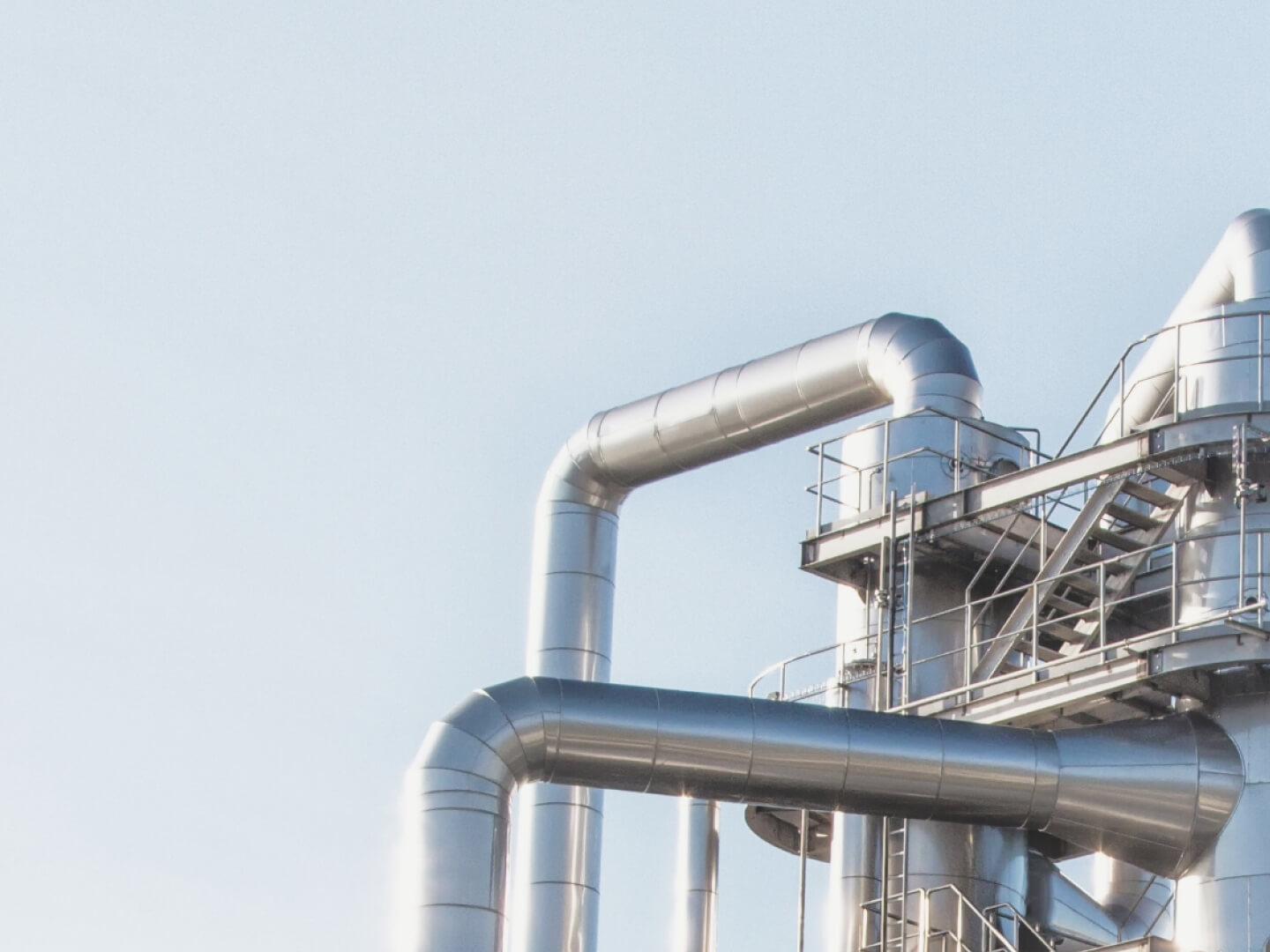
Coal and trona mine methane refers to methane from surface or underground mines and abandoned underground coal mines that is released to the atmosphere or captured in advance of, during, or following mining activities. In 2016, methane emissions from coal mines accounted for 8% of U.S. methane emissions [1]. While a smaller source of methane emissions, trona mining may contribute up to 2 million tonnes of carbon dioxide equivalent emissions in the U.S. annually [2]. In total, methane was responsible for 10 percent of U.S. greenhouse gas emissions in 2016 and is a potent greenhouse gas with a global warming potential several times that of carbon dioxide.
The purpose of the Methodology is to quantify greenhouse gas emission reductions associated with the capture and destruction of methane that would otherwise be vented into the atmosphere as a result of mining operations at active underground and surface coal and trona mines and abandoned underground coal mines. This is important as a greenhouse gas mitigation activity but methane mitigation at mines also contributes to mine safety initiatives and can increase the supply of a clean energy source when methane is recovered and used to produce electricity or heat.
ACR is an internationally recognized carbon crediting program that operates in global compliance and voluntary carbon markets. A nonprofit enterprise of Winrock International, ACR was founded in 1996 as the first private greenhouse gas (GHG) registry in the world with the mission of harnessing the power of markets to improve the environment.
[1]. See EPA Inventory of U.S. Greenhouse Gas Emissions and Sinks: 1990-2016 (April 2018)
[2]. U.S. EPA Coalbed Methane Outreach Program Case Study: Methane Recovery at Non-coal mines