
Archives: Methodology
Methodology
Improved Forest Management (IFM) on Non-Federal U.S. Forestlands



ACR has published version 2.0 of the Methodology for the Quantification, Monitoring, Reporting and Verification of Greenhouse Gas Emissions Reductions and Removals for Improved Forest Management (IFM) on Non-Federal U.S. Forestlands.
Read more
IFM version 2.0 is immediately applicable to all new project listings.
The IFM methodology quantifies the carbon sequestration benefits of forests, providing a carbon finance incentive for landowners to achieve a higher standard of sustainable forest management by forgoing intensive harvesting or selling off timberlands. IFM offers an immediate, scalable, and cost-effective strategy to mitigate climate change now, as the economy transitions toward net-zero by mid-century.
The ACR IFM methodology is applicable to a variety of landowner types, including private industrial, private non-industrial, tribal, public non-federal, and non-governmental organizations.
Emissions reductions are quantified when projects exceed baseline forest management, and removals are quantified for retention of annual forest growth. The primary carbon sequestration mechanism is the commitment to grow trees longer and increase forest stocking.
Key updates in version 2.0 of the methodology include further additionality safeguards; increased reporting requirements; further specificity in project accounting, modeling, and verification; and specific accounting of IFM “removals” credits.
ACR Aggregation and Programmatic Development Approach guidance for Improved Forest Management is available for projects wishing to aggregate multiple landowners into a single project at project start, or over time.
ACR is an internationally recognized carbon crediting program that operates in global compliance and voluntary carbon markets. A nonprofit enterprise of Winrock International, ACR was founded in 1996 as the first private greenhouse gas (GHG) registry in the world with the mission of harnessing the power of markets to improve the environment.
Active Conservation and Sustainable Management on U.S. Forestlands

ACR has published version 1.0 of the Methodology for the Quantification, Monitoring, Reporting, and Verification of Greenhouse Gas Emission Reductions and Removals from Active Conservation and Sustainable Management on U.S. Forestlands.
Read more
This science-based methodology provides the quantification and accounting frameworks, including procedures for determining eligibility, assessing additionality, and quantifying, monitoring, reporting, and verifying greenhouse gas (GHG) emission reductions and removals (ERRs) for the creation of carbon credits from active conservation and sustainable management on non-federal U.S. forestlands.
Every year, the US loses nearly three million acres (1.2 million hectares) of forest to other land uses, negatively affecting wildlife and water quality and releasing carbon emissions into the atmosphere. The new ACR methodology – developed in partnership with Green Assets, Inc. – uses carbon finance to conserve and sustainably manage forests that are at risk of conversion to non-forest uses.
The Methodology for the Quantification, Monitoring, Reporting and Verification of Greenhouse Gas Emission Reductions from Active Conservation and Sustainable Management on U.S. Forestlands generates carbon credits from forgoing the conversion of at-risk forests to agriculture, mining, real estate, and other non-forest land use development, and instead employing long-term conservation via 40+ year legally binding easements to durably protect and sustainably manage the forest resources.
In development since 2021, the publication of the new ACR methodology marks a significant step forward in addressing climate change through land-based initiatives and incentivizing active conservation and sustainable forest management practices. To qualify, landowners must demonstrate the threat of forest conversion through a qualified appraisal, then enact a legally binding conservation easement that ensures long-term carbon storage and accumulation associated with continued forest cover.
The quantified forest carbon stored and sequestered through forest growth on eligible projects generates tradable market assets in the form of carbon credits, which reward the landowner financially for the climate and ecosystem services benefits their forestlands provide.
ACR is an internationally recognized carbon crediting program that operates in global compliance and voluntary carbon markets. A nonprofit enterprise of Winrock International, ACR was founded in 1996 as the first private greenhouse gas (GHG) registry in the world with the mission of harnessing the power of markets to improve the environment.
Capturing and Destroying Methane from Coal and Trona Mines in North America
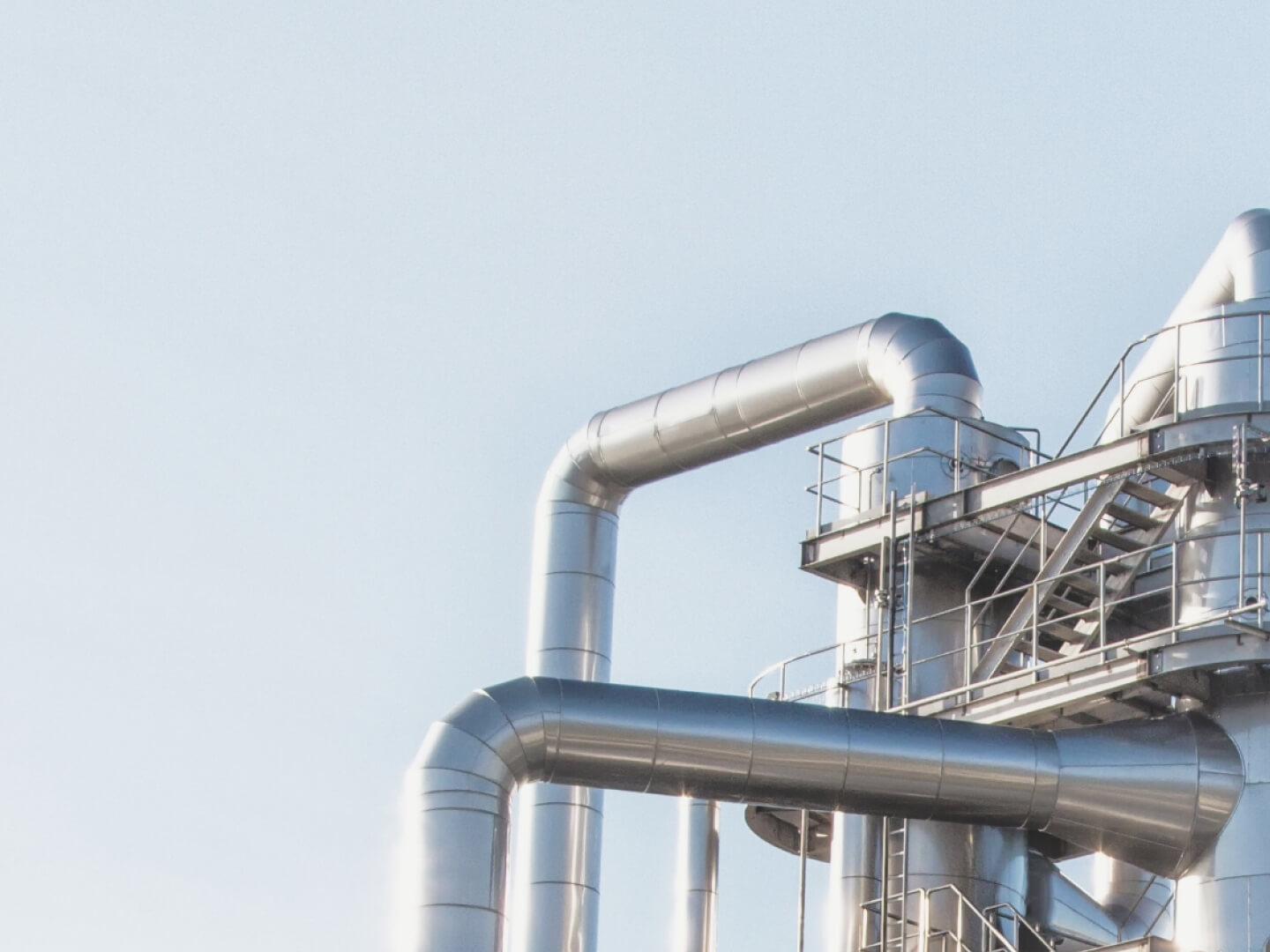
ACR has published version 1.1 of the Methodology for the Quantification, Monitoring, Reporting, and Verification of Greenhouse Gas Emission Reductions and Removals from Capturing and Destroying Methane from Coal and Trona Mines in North America.
Read more
Coal and trona mine methane refers to methane from surface or underground mines and abandoned underground coal mines that is released to the atmosphere or captured in advance of, during, or following mining activities. In 2016, methane emissions from coal mines accounted for 8% of U.S. methane emissions [1]. While a smaller source of methane emissions, trona mining may contribute up to 2 million tonnes of carbon dioxide equivalent emissions in the U.S. annually [2]. In total, methane was responsible for 10 percent of U.S. greenhouse gas emissions in 2016 and is a potent greenhouse gas with a global warming potential several times that of carbon dioxide.
The purpose of the Methodology is to quantify greenhouse gas emission reductions associated with the capture and destruction of methane that would otherwise be vented into the atmosphere as a result of mining operations at active underground and surface coal and trona mines and abandoned underground coal mines. This is important as a greenhouse gas mitigation activity but methane mitigation at mines also contributes to mine safety initiatives and can increase the supply of a clean energy source when methane is recovered and used to produce electricity or heat.
ACR is an internationally recognized carbon crediting program that operates in global compliance and voluntary carbon markets. A nonprofit enterprise of Winrock International, ACR was founded in 1996 as the first private greenhouse gas (GHG) registry in the world with the mission of harnessing the power of markets to improve the environment.
[1]. See EPA Inventory of U.S. Greenhouse Gas Emissions and Sinks: 1990-2016 (April 2018)
[2]. U.S. EPA Coalbed Methane Outreach Program Case Study: Methane Recovery at Non-coal mines
ACR Validation and Verification Standard

ACR requires independent third-party validation and verification of all GHG projects following the ACR Validation and Verification Standard, which details ACR’s third-party validation and verification requirements that every GHG project must undergo in order for ACR to register GHG emission reductions and removals as carbon credits.
Read more
ACR is developing an updated version 2.0 of the ACR Validation and Verification Standard to align with the most recent versions of the ACR Standard and ISO standards and to provide greater clarity to ACR Validation and Verification Bodies (VVBs) and project developers. A public comment draft is expected to be released in August of 2023. In addition to the ACR Validation and Verification Standard, VVBs should refer to the ACR webpage for Validation and Verification for forms, templates and general information on the process.
INACTIVE: Plugging Orphaned Oil and Gas Wells
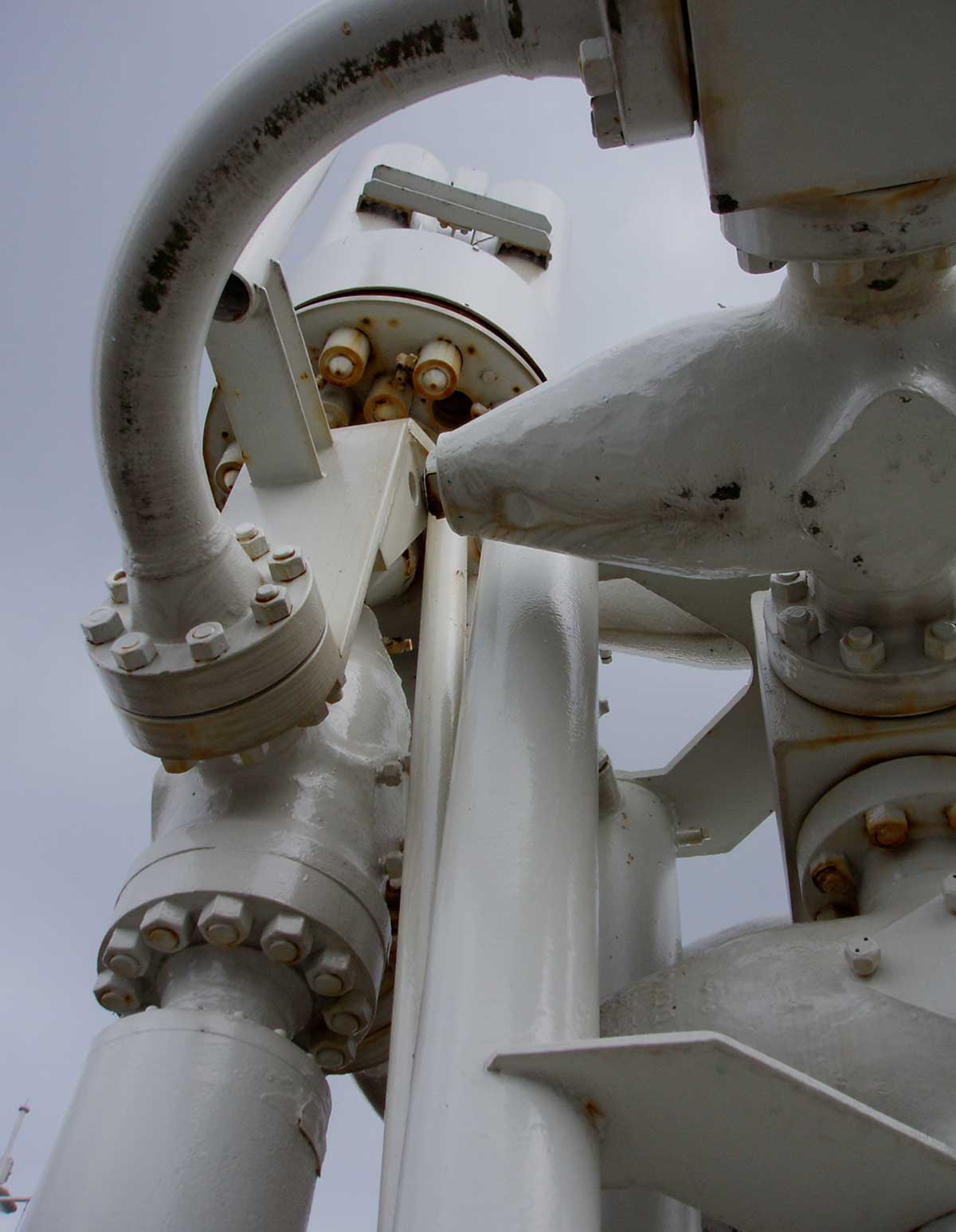
Effective May 9, 2025, ACR has made its Plugging Orphaned Oil and Gas Wells Methodology (version 1.0) (“OOG Methodology”) inactive to update requirements to ensure consistent and appropriate application across diverse project sites and wells and to avoid delays in verification.
Read more
The OOG methodology update does not impact projects that have already been verified or credits that have already been issued. In addition, projects that have approved Methane Measurement Method Approval Forms (MMMAFs) may complete the verification process under version 1.0 of the OOG Methodology.
ACR will work with trusted partners and industry experts to update the OOG Methodology to version 2.0 following ACR’s methodology update process, which includes a public comment period and scientific peer review. Publication of an updated version is planned for 2026.
ACR will continue to accept new project listings until publication of the updated version. New projects, as well as currently listed projects that do not have an approved MMMAF, must be validated and verified for conformance with the updated version 2.0 of the OOG Methodology.
When published in May 2023, the OOG Methodology was the world’s first focused on plugging orphaned oil and gas (OOG) wells in the United States and Canada. In the U.S. alone, the Environmental Protection Agency estimates methane emissions from abandoned wells (of which orphaned wells are a subset) to be at least 7 million metric tons of CO2 equivalent annually, which is likely an underestimate. Over 120,000 orphaned wells have been documented across 30 states in the U.S., and estimates of additional undocumented orphaned wells range as high as several million across the country.
The OOG Methodology is a high priority for ACR given the number of OOG wells, their negative social and environmental impacts, and the woefully inadequate funding available to plug them. The OOG Methodology has already delivered significant carbon market finance to address the crisis and meaningful climate impact through the reduction of methane emissions. The collective experience from over two years of project development, implementation, validation, verification, and credit issuance across a broad OOG landscape provides valuable insights to ensure the OOG Methodology can be scaled to realize its full potential and ongoing climate impact.
INACTIVE: Recycling of Transformer Oil

The ACR methodology for Reduction in Emissions from the Recycling of Transformer Oil is inactive and ineligible for crediting projects on ACR. ACR has determined that the methodology requires updates to be consistent with the current version of the ACR Standard.
Read more
The methodology was developed by Hydrodec Group PLC. The methodology quantifies emission reductions achieved in the U.S. by diverting used transformer oil, which under normal conditions would be incinerated at the end of its useful life, to a refining facility that processes the transformer oil for re-use. Project Proponents achieve emissions reductions by recycling the highly refined oil used in transformers that are operated by electric utility customers and large industrial companies. As a co-benefit, recycling of transformer oil in controlled and permitted facilities reduces the environmental health and safety risks associated with the destruction of Polychlorinated Biphenyls (PCBs) found in transformer oil.
INACTIVE: Re-refining Used Lubricating Oils

The ACR Methodology for the Quantification, Monitoring, Reporting and Verification of Greenhouse Gas Emissions Reductions and Removals from Re-Refining Used Lubricating Oils is inactive and ineligible for crediting projects on ACR. The methodology relies on a performance standard additionality test that, per requirements in the ACR Standard, must be re-assessed at minimum every 5 years. The methodology may become active again based on the results of the performance standard review.
Read more
The Methodology was developed by Safety-Kleen Kleen Performance Products. Lubricating oils are used to minimize friction and wear between mechanical parts in contact with each other and are essential to a wide variety of automotive, industrial, and marine applications. The lifecycle of lubricating oils is associated with environmental impacts including greenhouse gas emissions. The manufacture of lubricating oil is the most energy-intensive process in a crude oil refinery, and used lubricating oils are often burned in industrial or commercial boilers, releasing multiple pollutants including carbon dioxide.
An alternative option exists for used lubricating oil: collection and re-refining. Used oil management programs have been developed throughout North America in order to reduce the amount of improperly disposed used oil and to encourage the recycle and reuse of used oil. Lubricating oil must be taken out of service when it no longer performs to expected specifications. This occurs when additive packages become depleted and the lubricant becomes contaminated. The base oil portion of the lubricant, however, does not break down during use. As a result, used engine oil and other lubricating oils can be re-refined to remove water, contaminants and additives to produce base oil of the same quality as the virgin base oil. Lubricants formulated using re-refined base oils in turn can meet the same performance standards as those using virgin base stocks.
The purpose of the Methodology is to quantify greenhouse gas (GHG) emission reductions associated with the re-refining of used lubricating oils. Re-refining used lubricating oils avoids GHG emissions associated with the combustion of used oil at end of life. This Methodology provides the quantification and accounting frameworks, including eligibility and monitoring requirements, for the creation of carbon offset credits from the reductions in GHG emissions resulting from the re-refining of used lubricating oils.
INACTIVE: Methane Recovery in Animal Manure Management Systems

Previously, methodologies approved by the CDM Executive Board were approved for use on ACR for the registration of projects in non-Annex 1 countries or for registration of projects in the U.S. after ACR review and approval of special applicability conditions. Under ACR Standard v7.0, CDM methodologies are no longer accepted for crediting new projects on ACR. Therefore, ACR’s approval of the Clean Development Mechanism’s Small Scale Methodology: AMS-III.D Methane Recovery in Animal Manure Management Systems is withdrawn and the methodology is ineligible for crediting projects on ACR.
Read more
Methodology History
The methodology quantifies emission reductions associated with the introduction of anaerobic digestion technologies at a dairy farm. Biogas created through the digestion process can either be flared or beneficially reused to, for instance, produce electricity. Centralized digesters whereby manure is conveyed from a group of farms to a digester facility are eligible.
The methodology is applicable under the following conditions:
- Manure or the waste streams obtained after treatment are not discharged into natural water resources (e.g. river or estuaries);
- The annual average temperature at the project site is greater than 41°F;
- In the baseline scenario, the retention time of manure waste in the anaerobic treatment system is greater than one month, and if anaerobic lagoons are used in the baseline, their depths are at least 1 meter;
- No methane recovery and destruction by flaring or combustion for beneficial use takes place in the baseline scenario.
Finally, the methodology employs a performance standard for additionality whereby a project is deemed additional so long as there is no regulation impacting the project that requires the collection and destruction of methane from livestock manure.