

This website uses cookies so that we can provide you with the best user experience possible. Cookie information is stored in your browser and performs functions such as recognising you when you return to our website and helping our team to understand which sections of the website you find most interesting and useful.
Q&A with Margaret Williams, Director of Co-Benefits Certification
Share


Earlier this year, Margaret Williams, PhD, rejoined the ACR team as our inaugural Director of Co-Benefits Certification. Tasked with building a new program to verify the environmental and social benefits achieved though the development of carbon projects registered with ACR, Margaret brings experience developing carbon projects, buying carbon credits and managing standards and methodologies to her work. Notably, she served as ACR’s Technical Director and Director of Industrial Programs from 2015-2022. She holds a PhD in Atmospheric Chemistry and completed postdoctoral research at the NASA Ames Research Center and the University of California, Irvine. We sat down with her recently to ask a few questions.
What brought you back to ACR to lead the work on co-benefits certification?
I saw an opportunity to be creative, in the literal sense of the word; to help create something new. That’s really exciting and rewarding. ACR has heard for years about the need for a co-benefits certification program that works for projects based in North America and across the full range of methodologies that ACR manages, so this is a great chance to turn market demand into a reality. Also, co-benefits are inherently positive. Co-benefits are all the good things we know are happening when carbon projects are conducted, so I am excited to create a mechanism to highlight the positive impacts.
What’s your goal for the Co-Benefits Certification program?
We are building a certification that will be applicable to all projects using any active ACR methodology. It’s entirely optional, but for those who choose to earn the certification, there has to be a value proposition. In other words, we have to deliver an approach that works, drives value, and has integrity. On a personal level, I’m looking for a way to elevate projects by putting a value on the good things happening in these projects in addition to GHGs reduced or removed.
How does your experience as a project developer and credit buyer shape your perspective about co-benefits?
I’ve worked across the different roles in carbon markets, so I bring those perspectives to this work. I understand how the different sides may be thinking about what’s practical. Good standards connect the needs of different stakeholders, so having a diverse set of perspectives is helpful.
What are you hearing about the importance of co-benefits certification?
Corporates want to be able to tell stories about the projects they invest in. And they want these stories to be backed by data. We know carbon projects deliver positive impacts beyond emission reductions and removals alone, and right now those impacts can be hard to communicate. We are also hearing that the co-benefits standards available today weren’t designed for projects in North America, so project developers are asking for a better fit.
How’s the work going?
We have started with stakeholder engagement, to help understand the different perspectives, questions and needs. Ultimately, the standard needs to balance the interests of project developers, credit buyers, verifiers and the registry, so we think it’s important to understand those up front, to define where these needs intersect with what is feasible in the context of the already established carbon project lifecycle We’ve received really valuable input and started to build some momentum for the program.
What do you enjoy doing outside of work?
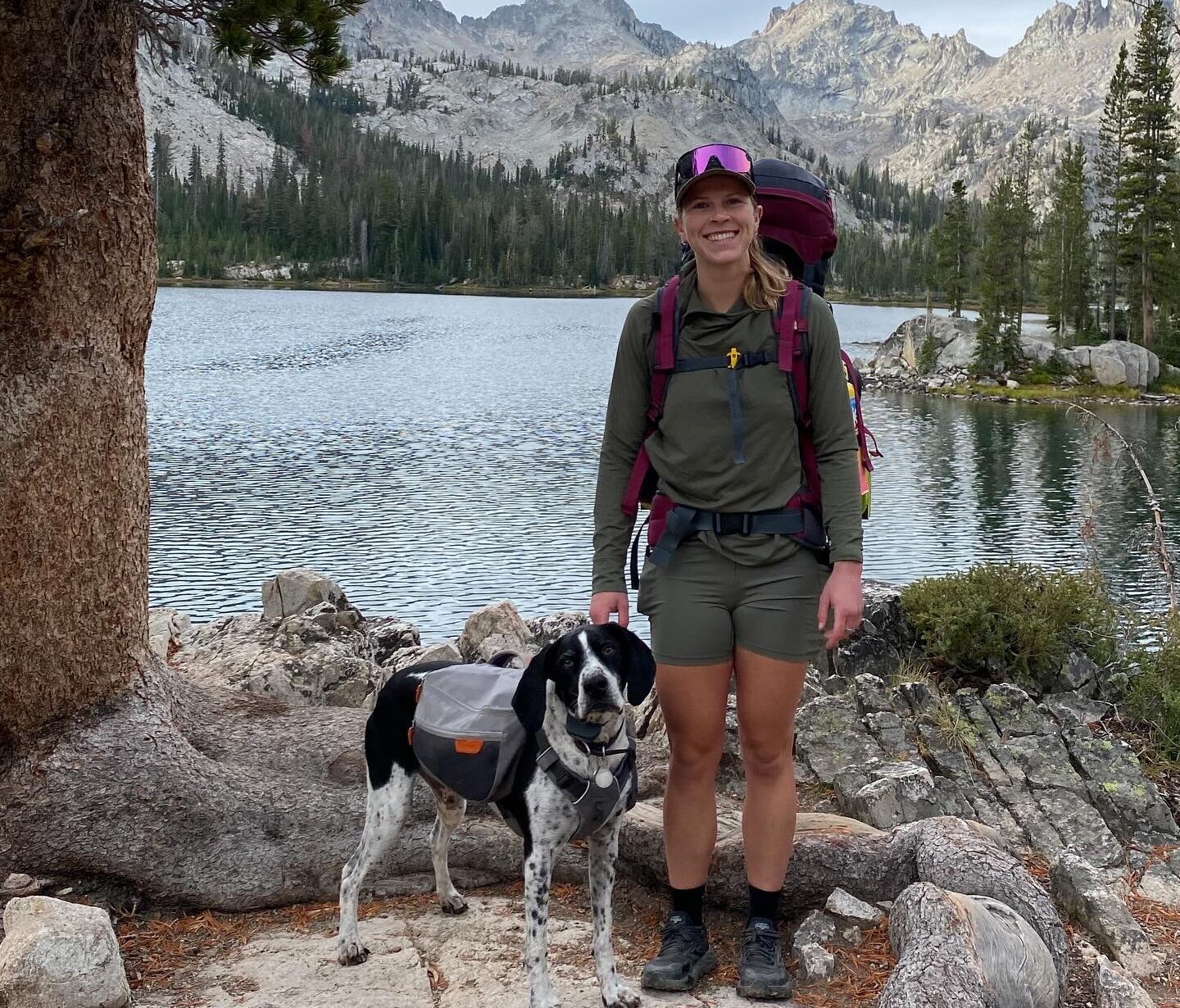
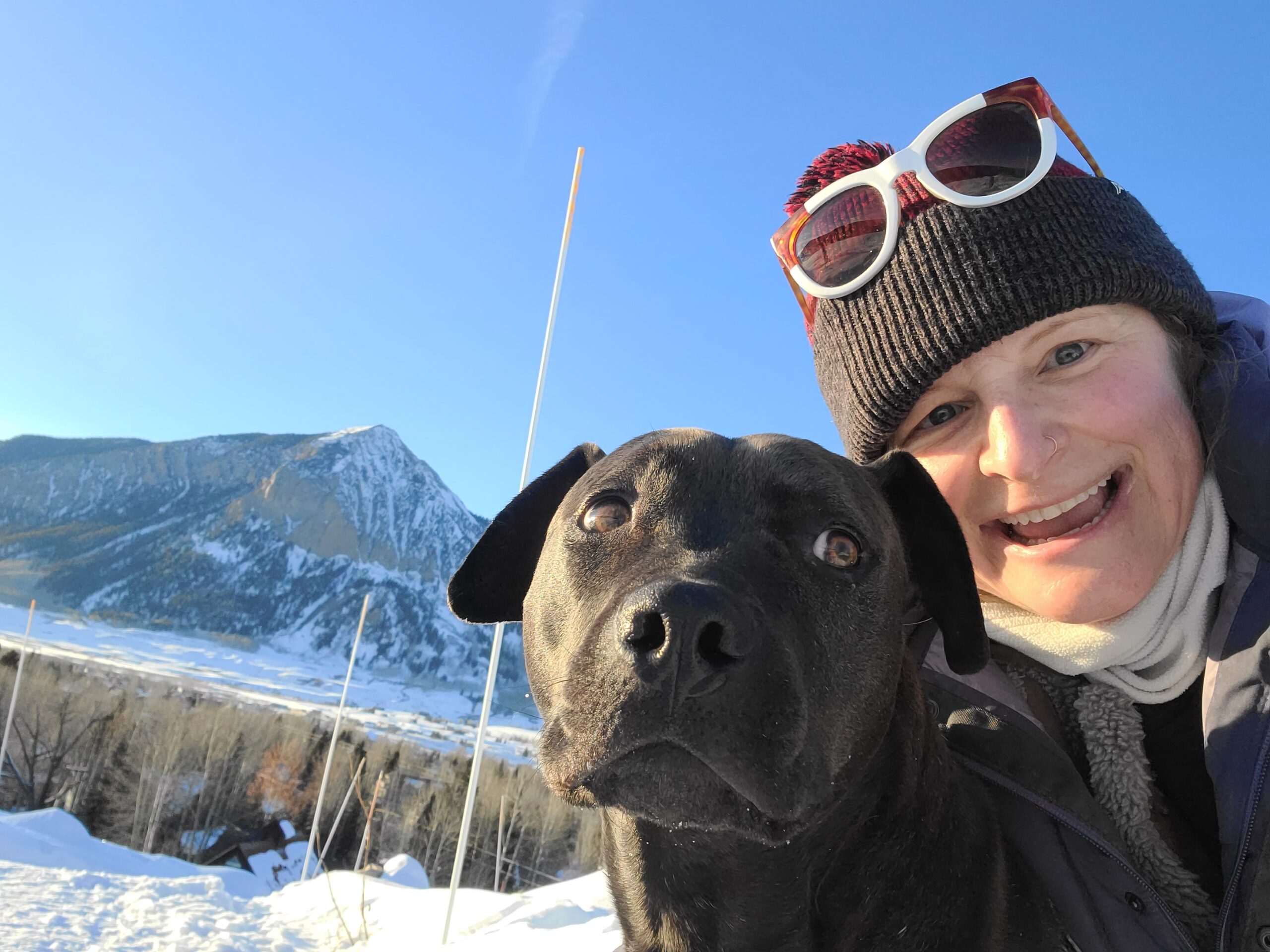
I enjoy spending time with my family and friends, and with my dog, Bodie, especially anything outside. My parents are the best and funniest people in the world, and I feel so lucky whenever I can hang with them. I also enjoy volunteering, which I do with Historic Denver and the Food Bank of the Rockies, among others. It’s a great way to connect with people in my community, to hang out with friends and have fun.