
Archives: Methodology
Methodology
Landfill Gas Destruction and Beneficial Use Projects
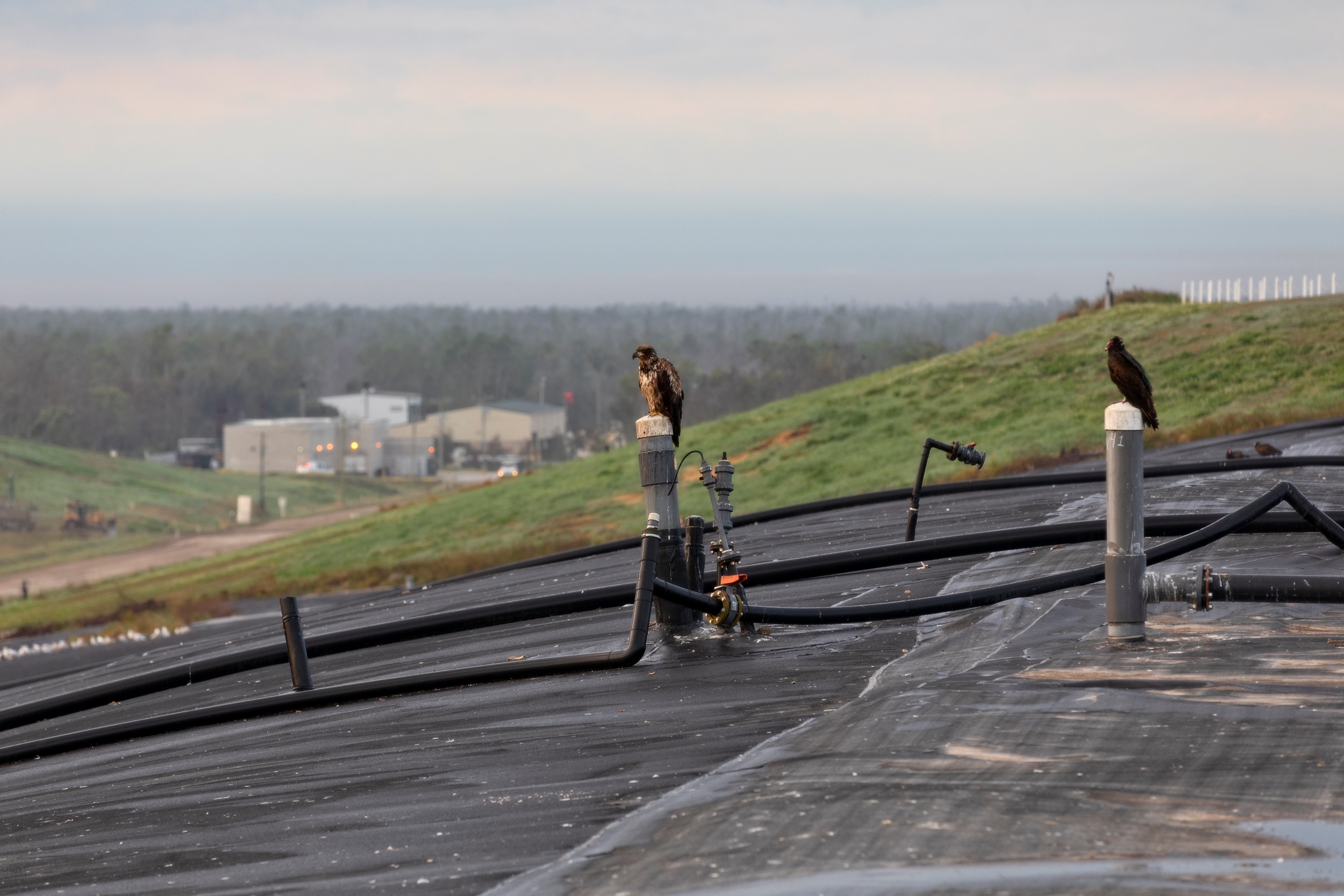


ACR has published Version 2.0 of the Methodology for the Quantification, Monitoring, Reporting, and Verification of Greenhouse Gas Emission Reductions and Removals from Landfill Gas Destruction and Beneficial Use Projects.
Read more
The original version of the Methodology was developed by ACR, with technical support from the US EPA’s Landfill Methane Outreach Program. Version 2.0 of the Methodology was developed in cooperation with Loci Controls, Inc.
The collection and combustion of landfill gas (LFG) is an effective method for reducing the greenhouse gas (GHG) emissions that would have otherwise been vented to the atmosphere. The ACR methodology provides the quantification and accounting frameworks, including eligibility and monitoring requirements for the creation of carbon offset credits from the reductions in GHG emissions resulting from the destruction or utilization of landfill gas at eligible U.S. landfills.
The Methodology is intended to be used as an incentive to increase the below activities and utilizes a flexible additionality framework which is based on either a performance standard or ACR’s three-pronged additionality test.
Projects that reduce methane emissions as a result of the combustion or beneficial use of LFG in any of the following activities are considered a “project activity” under the Methodology:
- The destruction of landfill gas in an eligible flare;
- The conversion of landfill gas in a turbine, boiler or generator to energy;
- The enhancement of landfill gas for injection into a natural gas pipeline; and
- The enhancement of landfill gas for use in fleet vehicles, trucks and cars.
Version 2.0 of the Methodology adds a fifth eligible project activity:
- The installation of an automated collection system that increases landfill gas collection efficiency above that obtained with standard collection methods with methane destruction, conversion, or enhancement occurring via any of the technologies in 1-4 above.
Automated collection systems hold tremendous promise to increase the collection of methane from landfills through the use of automatic control and measurement devices that eliminate the need for standard manual wellfield tuning. When combined with cloud- based data collection and analysis tools, automated collection systems result in the ability to continuously optimize wellfield conditions resulting in significant increases in landfill gas collection efficiency.
ACR is an internationally recognized carbon crediting program that operates in global compliance and voluntary carbon markets. A nonprofit enterprise of Winrock International, ACR was founded in 1996 as the first private greenhouse gas (GHG) registry in the world with the mission of harnessing the power of markets to improve the environment.
Restoration of Pocosin Wetlands

ACR has published version 1.0 of the Methodology for the Quantification, Monitoring, Reporting, and Verification of Greenhouse Gas Emission Reductions and Removals from Restoration of Pocosin Wetlands.
Read more
The methodology was developed by The Nature Conservancy and TerraCarbon LLC.
Pocosins are unique freshwater wetlands, often shrub-dominated, on organic soils in the Atlantic coastal plain of the southeastern United States (Virginia to northern Florida) that are seasonally saturated primarily through precipitation. Under typical hydrologic conditions, decomposition of the organic soils is inhibited, allowing for accumulation of organic carbon. However, after drainage occurs (often for conversion to agriculture or forestry) the ability for these wetlands to be a carbon sink is greatly diminished. Pocosin restoration is achieved through water management, bringing hydrology back to more natural conditions. Under re-wetted conditions, greenhouse gas emissions via peat decomposition is slowed and eventually additional carbon is sequestered.
The ACR Methodology for Restoration of Pocosin Wetlands establishes standardized procedures to monitor and account the greenhouse gas benefits associated with restoring drained pocosin habitat.
ACR is an internationally recognized carbon crediting program that operates in global compliance and voluntary carbon markets. A nonprofit enterprise of Winrock International, ACR was founded in 1996 as the first private greenhouse gas (GHG) registry in the world with the mission of harnessing the power of markets to improve the environment.
Afforestation and Reforestation of Degraded Lands

ACR has published version 1.2 of the Methodology for the Quantification, Monitoring, Reporting and Verification of Greenhouse Gas Emission Reductions and Removals from Afforestation and Reforestation of Degraded Lands.
Read more
This methodology is applicable to projects in non-REDD+ countries that are conducting afforestation and reforestation (A/R) on lands that are expected to remain degraded or continue to degrade in the absence of the project.
ACR published its Methodology for Afforestation and Reforestation of Degraded Land, v1.0, which represented a modification to a Clean Development Mechanism methodology, with clarifications for project registration on ACR, as well as the addition of harvested wood products accounting. This methodology modification was drafted by TREES Forest Carbon Consulting, using wood products accounting methods drawn from a “Methodology for Improved Forest Management through Extension of Rotation Age” developed by Winrock International for Ecotrust and approved under the Verified Carbon Standard (VCS) as VM0003. ACR wishes to thank TREES Forest Carbon Consulting for its assistance in making the first modification.
In a second modification, the U.S. Forest Service proposed adding its Forest Vegetation Simulator (FVS) as an approved tool to estimate carbon stock changes. This modification was reviewed by the ACR AFOLU Technical Committee and is published by ACR as the Methodology for Afforestation and Reforestation of Degraded Land, v 1.1. ACR wishes to thank the U.S. Forest Service for its assistance in making the second modification.
Both methodology modifications were reviewed by an independent ACR Agriculture, Forestry and Other Land Use (AFOLU) Technical Committee and recommended for Approval.
ACR is an internationally recognized carbon crediting program that operates in global compliance and voluntary carbon markets. A nonprofit enterprise of Winrock International, ACR was founded in 1996 as the first private greenhouse gas (GHG) registry in the world with the mission of harnessing the power of markets to improve the environment.